UNODA Impact Snapshot 2025
A visual overview of delivery and results from the United Nations Office for Disarmament Affairs
Published: 15 July 2026
2025 Milestones
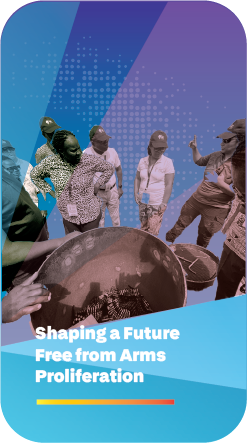
The UN Small Arms and Light Weapons Fellowship Programme graduates its first class, with participants from across Africa and Latin America.
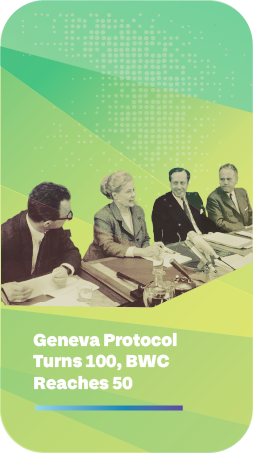
The Geneva Protocol, the world’s first international ban on chemical and biological weapons turns 100 years old as the Biological Weapons Convention celebrates 50 years in force.
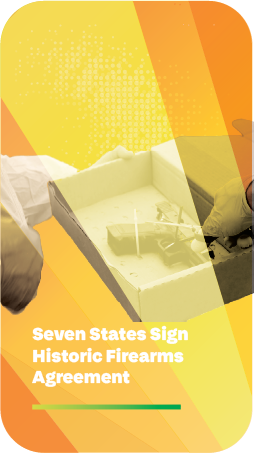
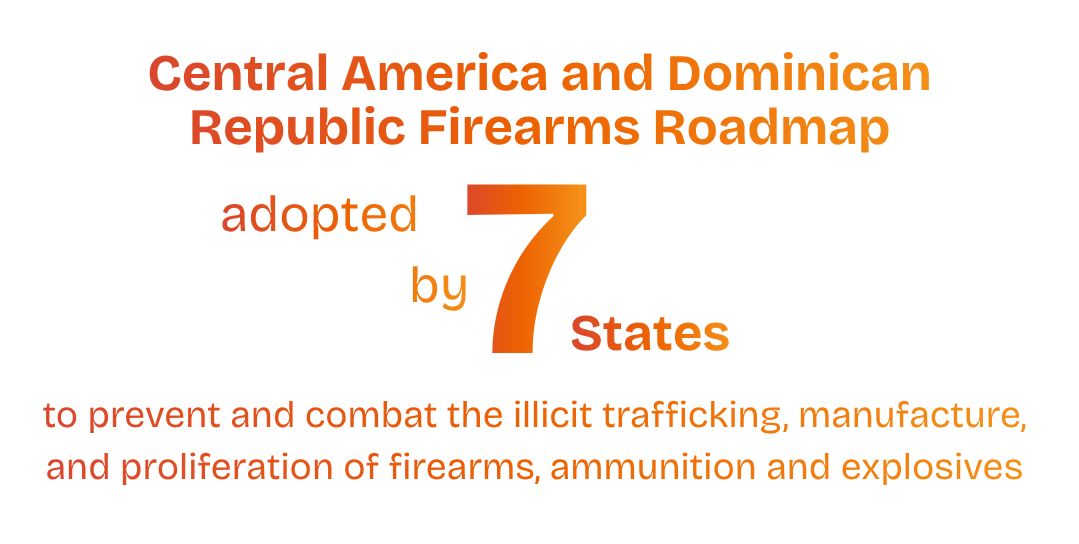
The Central America and Dominican Republic Firearms Roadmap is adopted, with seven States participating.
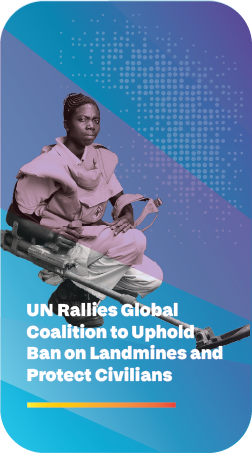
The UN rallies States and other actors to accelerate action against anti-personnel landmines and uphold humanitarian norms.
The Secretary-General reports on how the world’s surging military spending impedes sustainable development, supported by free e‑learning for experts and the public.
Marking the International Day for the Total Elimination of Nuclear Weapons, the UN Secretary-General warns, “We are sleepwalking into a new nuclear arms race.”
The UN establishes the modalities for a new Global Mechanism on information and technologies (ICT) security.
The UNODA Impact Snapshot provides a clear, visual overview of how the United Nations Office for Disarmament Affairs (UNODA) is delivering results in a rapidly evolving global security landscape. It highlights achievements, partnerships and milestones from the past year and illustrates how sustained investments in disarmament contribute to safer societies, reduced risks and a more secure future for all.
Contents
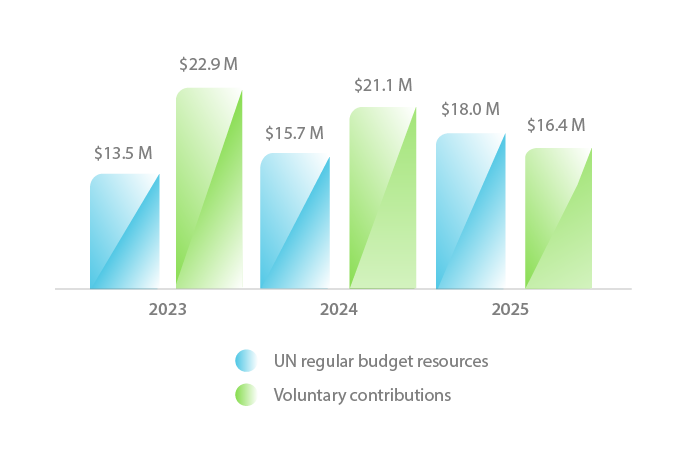
Regular budget and extrabudgetary resources
What we do
Investments in disarmament contribute to:
Rules that reduce risks. UNODA strengthens the treaties, norms and mechanisms that underpin disarmament, arms control, non-proliferation and new and emerging developments in international security through support for intergovernmental processes, policy guidance, capacity-building and outreach efforts.
Solutions that connect peace and development. Through technical assistance and capacity-building, UNODA supports States and regions in turning disarmament commitments into action that advances prevention, sustainable peace and the 2030 Agenda for Sustainable Development.
Building broader public understanding and support for disarmament. UNODA expands inclusive access to disarmament knowledge and participation, including by engaging youth and other diverse stakeholders in national, regional and global disarmament efforts.
Our global reach: selected examples
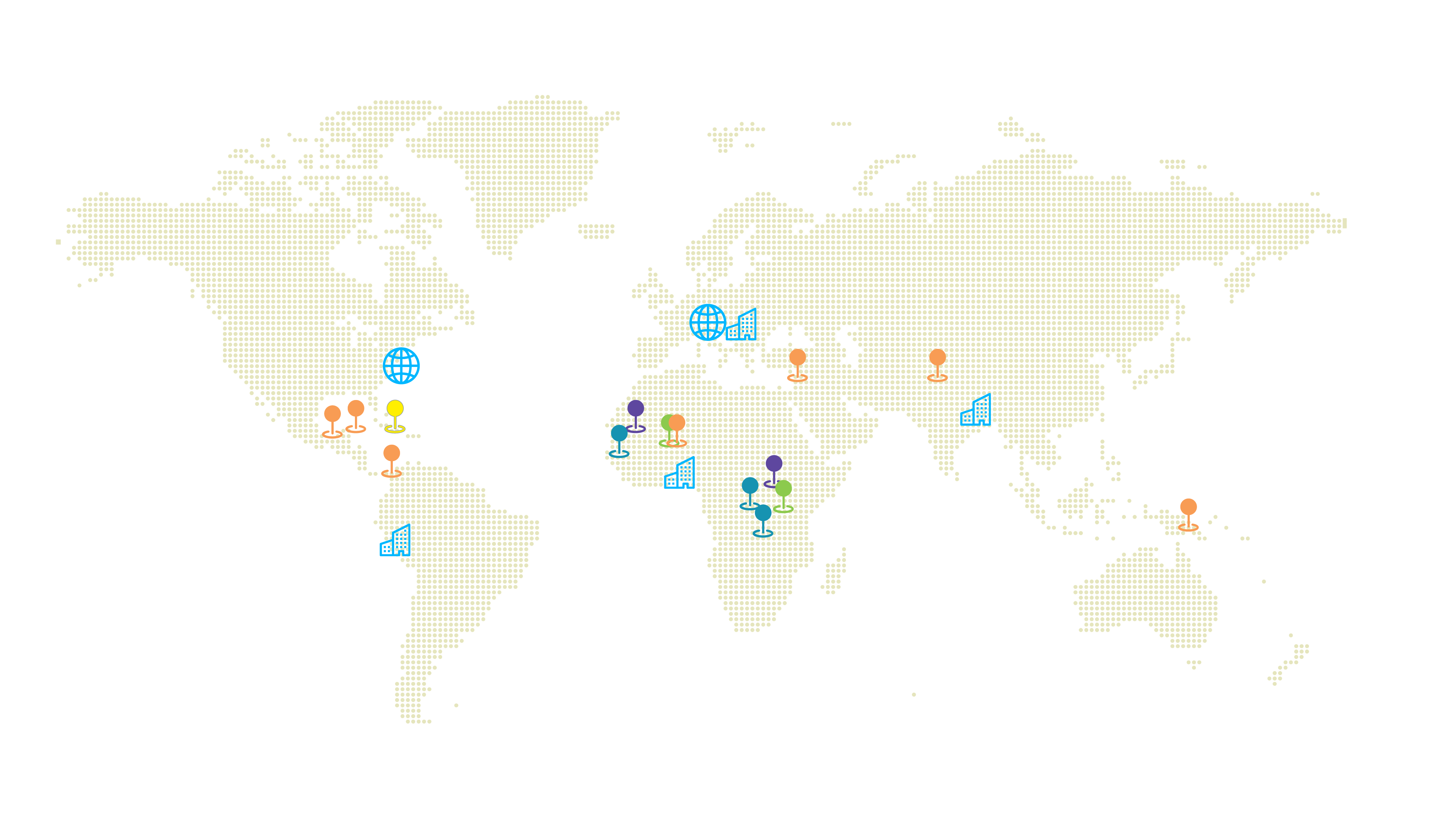
Pins highlight activities in 2025 (listed below).
Examples of in-country support
Haiti: Physical security and stockpile management and firearms detection support
Senegal and South Sudan: Guidance in tailoring weapons and ammunition management activities for disarmament, demobilization and reintegration processes
Mali and Uganda: Africa Amnesty Month assistance on voluntary weapons surrender and community policing
Honduras, Jamaica, Kyrgyzstan, Lebanon, Mali, Panama and Papua New Guinea: Strengthening of systems against armed violence under the Saving Lives Entity (SALIENT) funding mechanism
Burundi, Democratic Republic of Congo and Gambia: Cooperation on combating illicit trafficking of small arms and light weapons
Examples of intergovernmental support
New York: General Assembly First Committee, Disarmament Commission and intergovernmental processes on:
- Nuclear disarmament and non-proliferation
- Conventional arms
- Small arms and light weapons control
- Ammunition management
- Information and communications technologies
- Artificial intelligence in the military domain
Geneva: Conference on Disarmament and intergovernmental processes on:
- Biological and toxin weapons
- Landmines and cluster munitions
- Certain conventional weapons[1]
- Lethal autonomous weapons systems
- The conventional arms trade
- Outer space security
Additional UNODA presence
Lomé, Lima and Kathmandu: Regional centres for Africa, Latin America and the Caribbean, and Asia and the Pacific
Vienna: Liaison office for Vienna-based institutions and processes
Notes
[1] Specific types of weapons considered to cause unnecessary or unjustifiable suffering to combatants or to affect civilians indiscriminately.
Selected publications
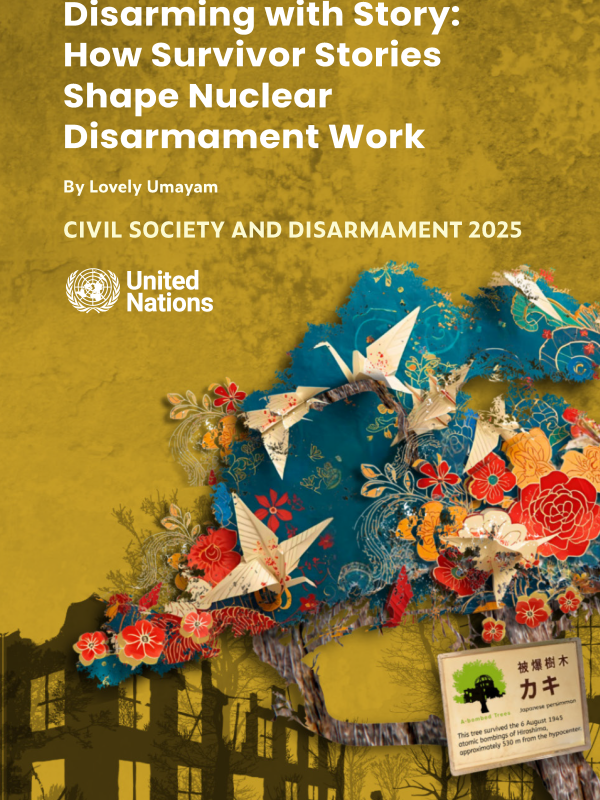
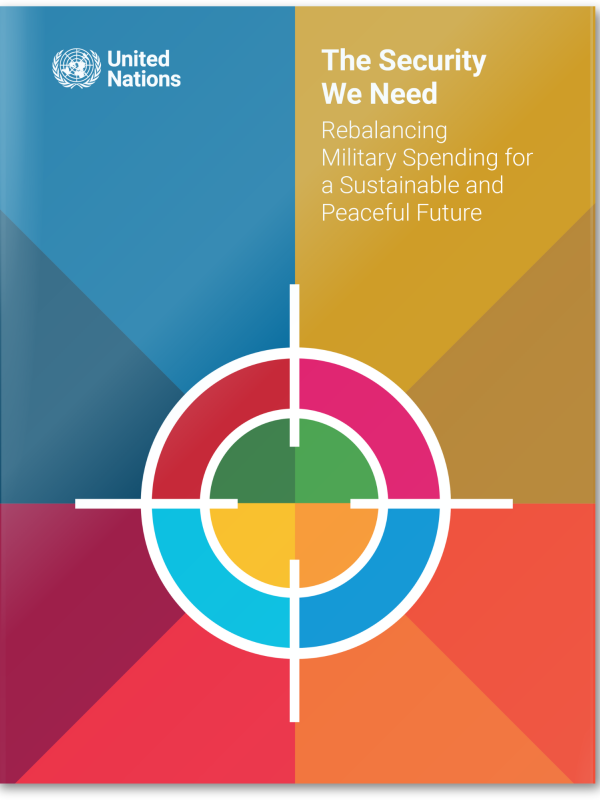
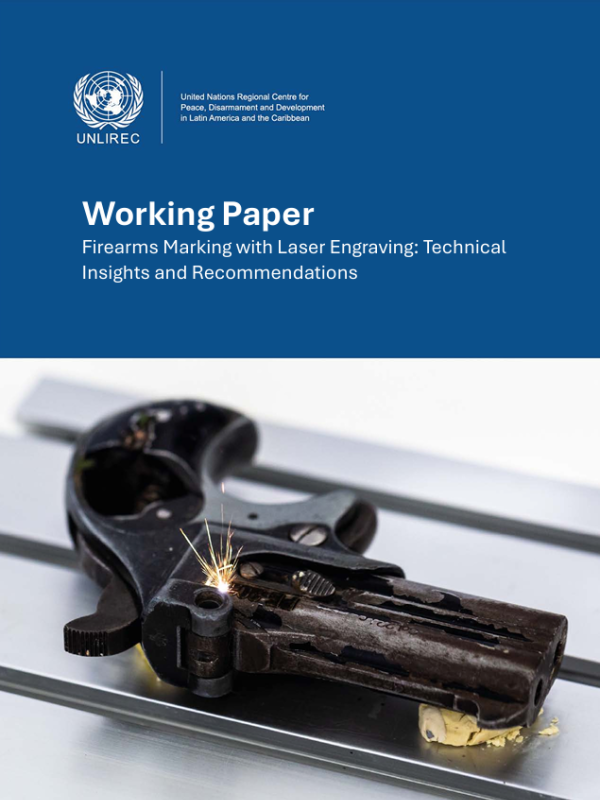
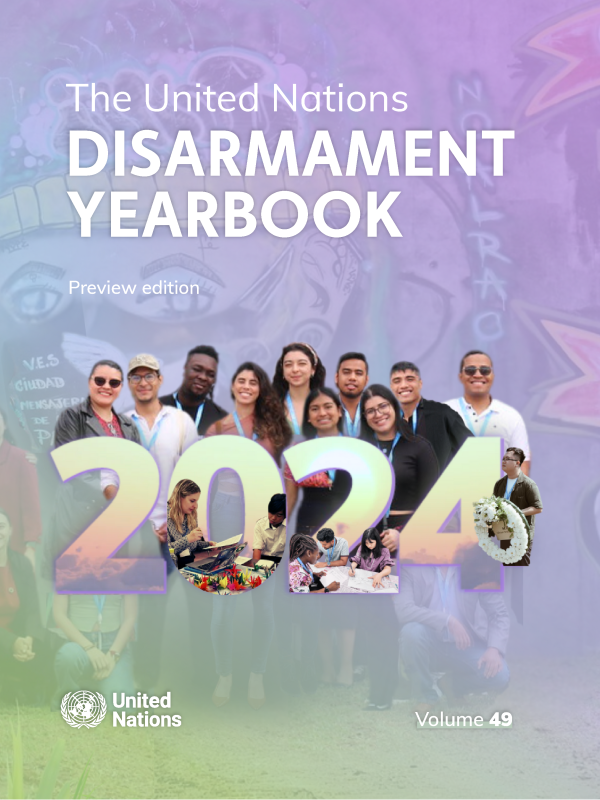
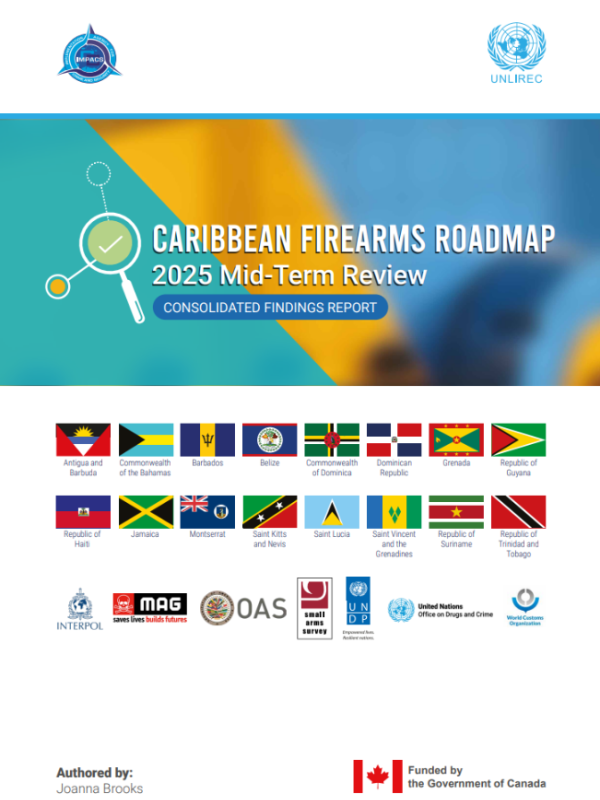
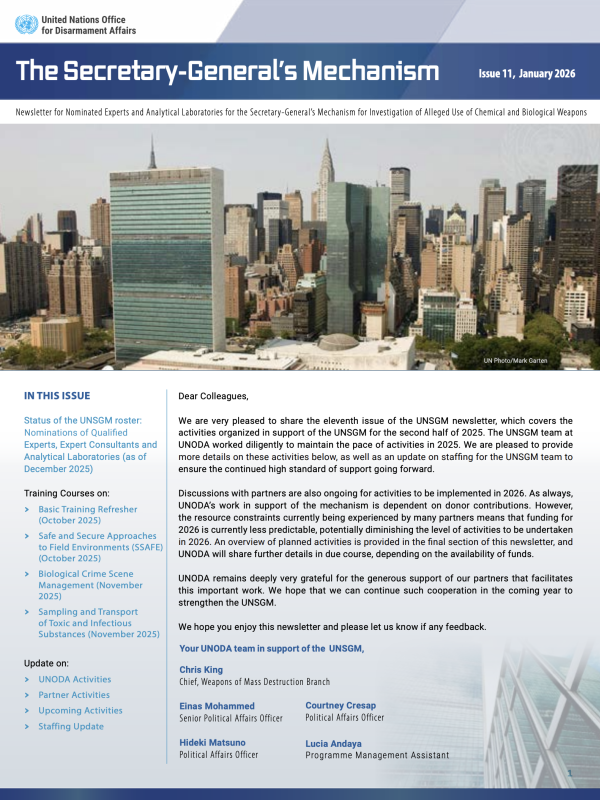
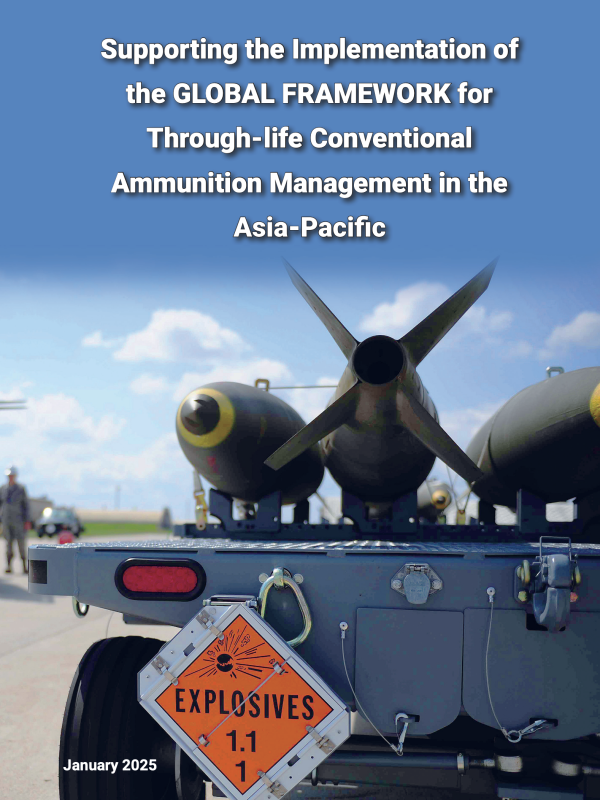
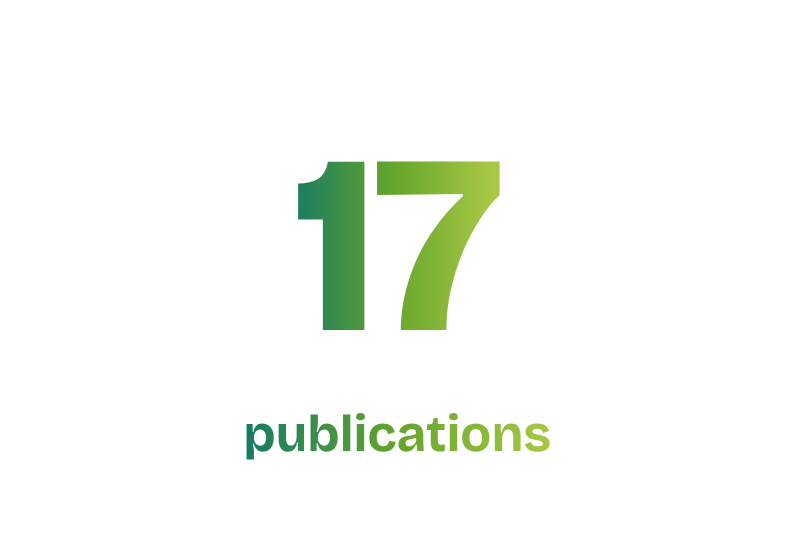
UNODA publications are available for free at our new portal for books and resources on disarmament, https://publications.unoda.org.
Protecting norms
From time-bound talks to a permanent ICT security mechanism
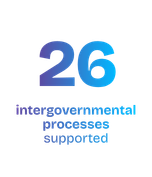
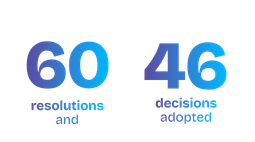
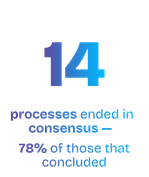
UNODA facilitated inclusive and transparent negotiations that culminated in a consensus agreement to establish a standing Global Mechanism[4] on information and communications technologies (ICT) security beginning in 2026.
The challenge

As ICT threats accelerate, the time-bound nature of existing UN processes, set to conclude in 2025, risked leaving a gap in sustained global dialogue and cooperation.
UNODA actions
Serviced the Open-ended Working Group’s[5] negotiations by advising office holders and providing substantive and logistical support for formal and informal engagements
Expanded participation through delegate sponsorship and targeted capacity-building initiatives
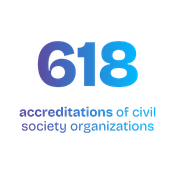
Enabled access by representatives of academia, civil society and the private sector under terms agreed by States
Outcome
In their final report (A/80/257), States established the modalities for a permanent ICT security mechanism to begin work in 2026.
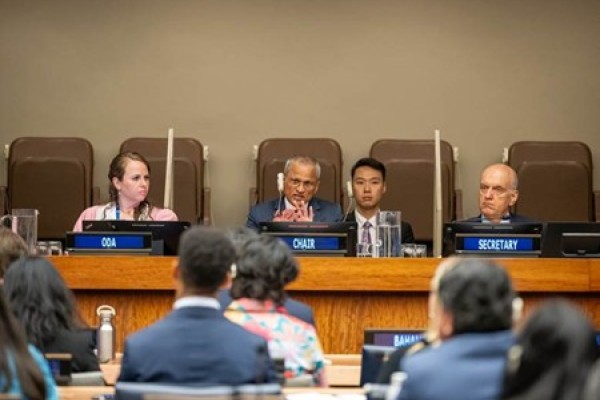
Amb. Burhan Gafoor of Singapore addresses delegates in his capacity as Chair of the Open-ended Working Group.

Delegates mark the Open-ended Working Group’s conclusion in July, closing a time-bound process with a pathway to a permanent ICT security mechanism.
Notes
[2] Except where otherwise noted, data reflects the 2025 calendar year and comparisons are to 2024 figures.
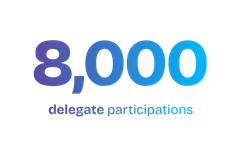
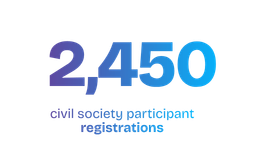
[3] Participant totals reflect engagements, not unique individuals. One person attending two events is counted as two participations.
[4] Global Mechanism on Developments in the Field of Information and Communications Technologies in the Context of International Security.
[5] Open-ended Working Group on Security of and in the Use of Information and Communications Technologies 2021–2025.

Senior-level advocacy for our common future
As the UN’s principal advocate for disarmament, the High Representative for Disarmament Affairs leads UNODA’s engagement with Member States and partners — building political momentum, advancing norms and representing the UN system in the Security Council and other forums.
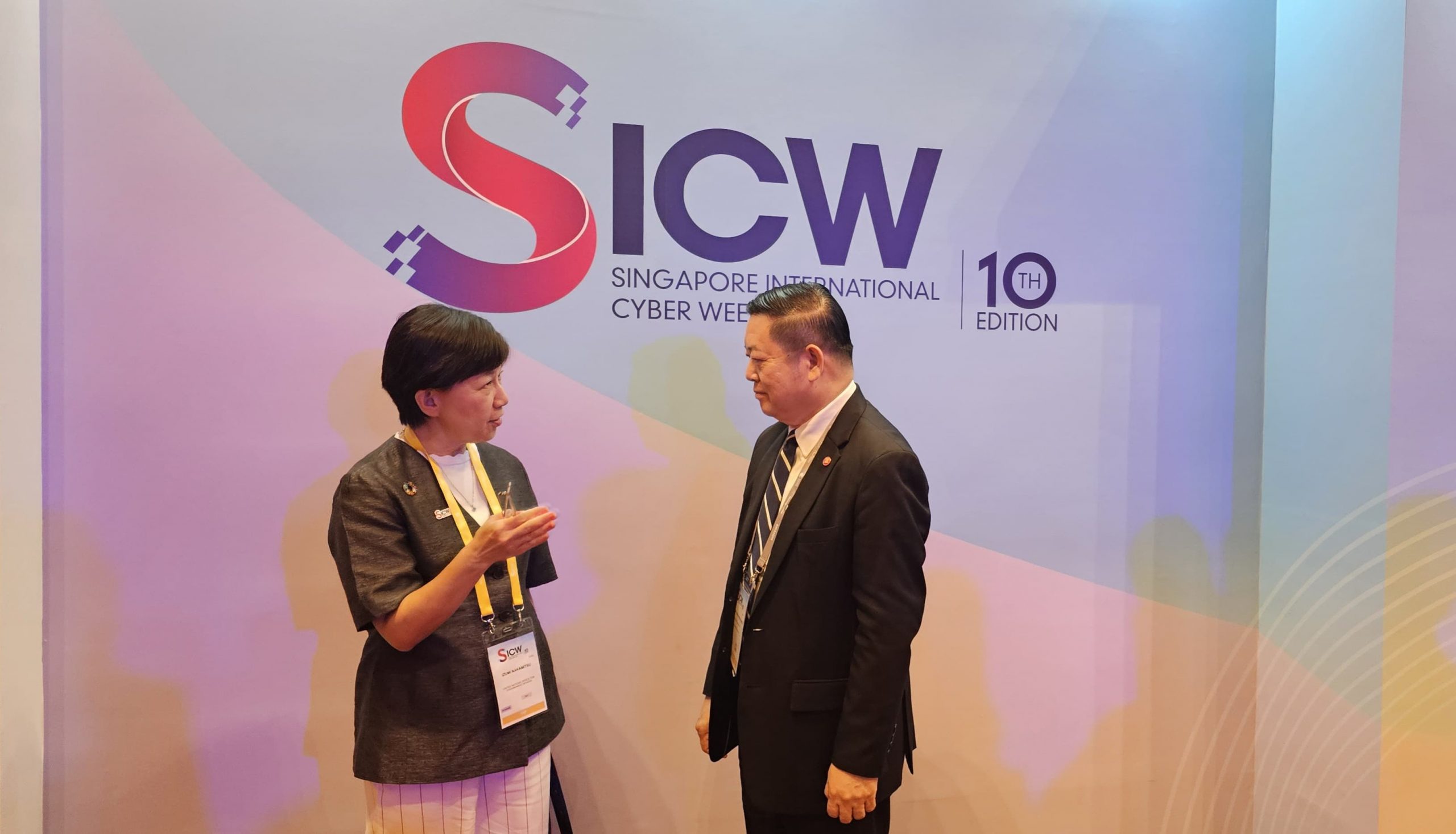
The UN High Representative for Disarmament Affairs, Izumi Nakamitsu, engages with Kao Kim Hourn, the Secretary-General of the Association for Southeast Asian Nations (ASEAN), on advancing rules, norms and principles for cyberspace at an October meeting in Singapore.
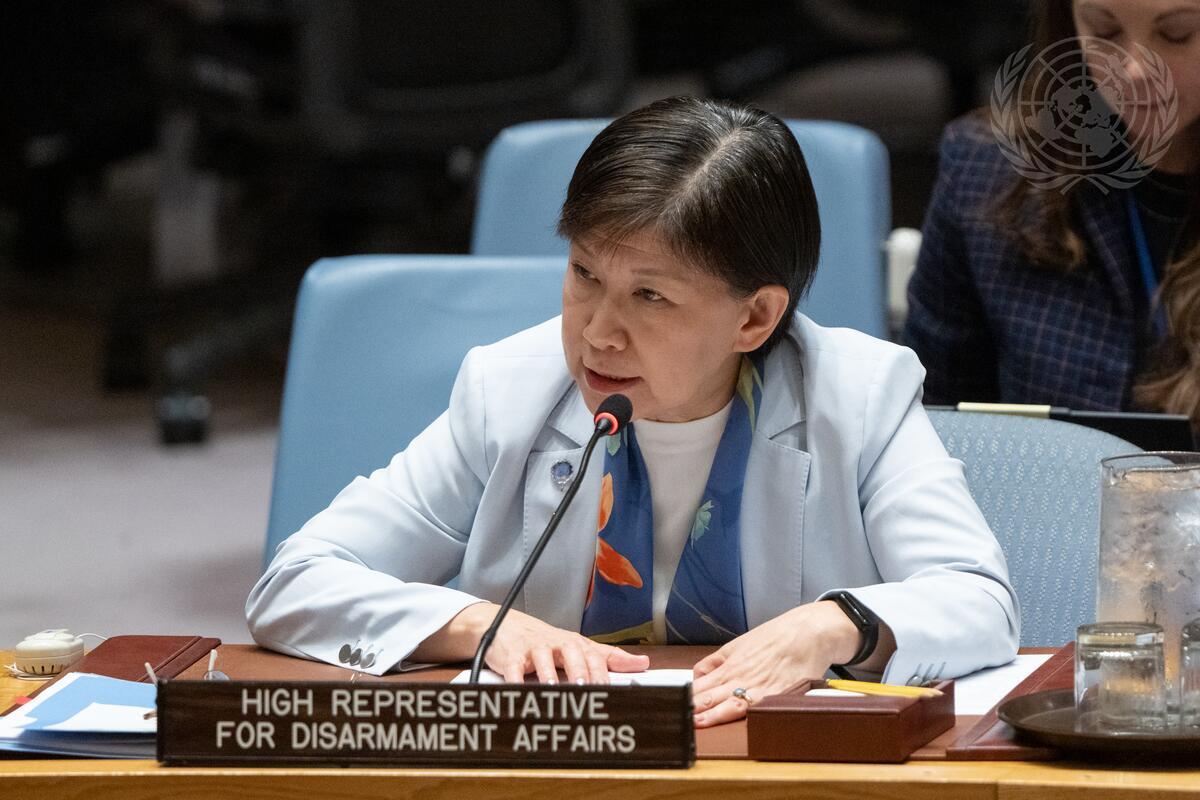
Izumi Nakamitsu, seen addressing the Security Council in September, represented the UN system on disarmament issues in briefings to the body throughout the year.

Defending lifesaving humanitarian disarmament norms
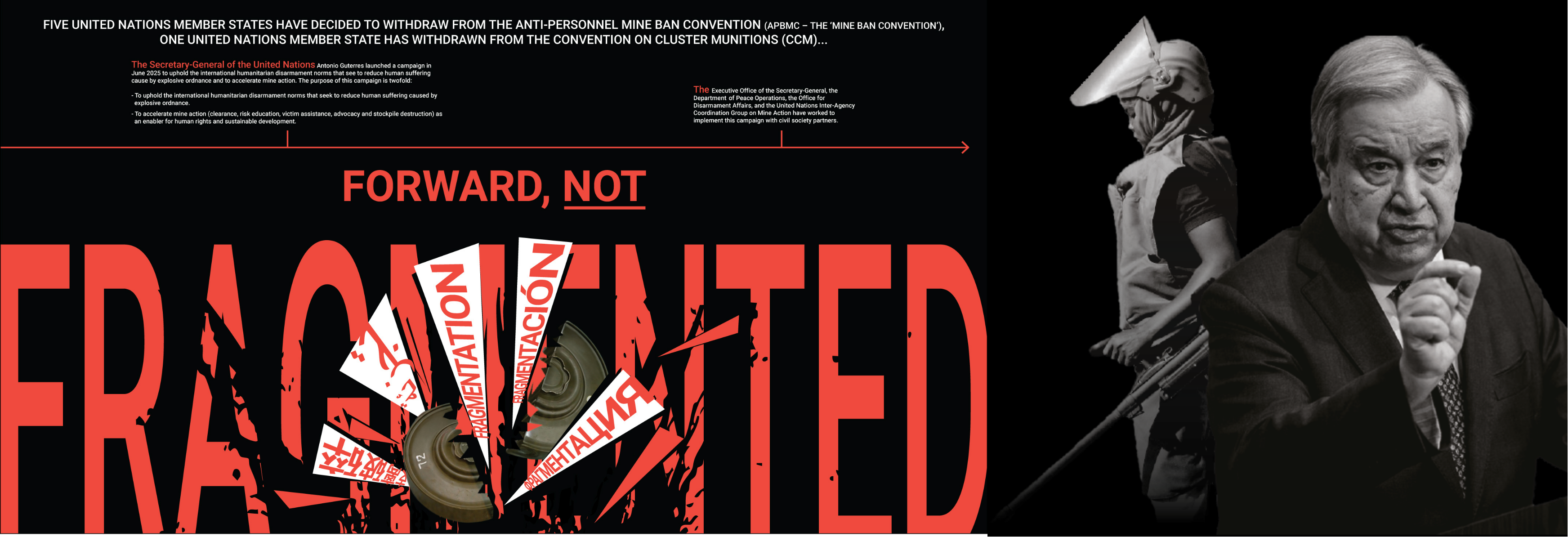
Against a backdrop of renewed anti-personnel landmine use, rising landmine casualties and dwindling mine action resources, UNODA helped drive a six-month campaign by the Secretary-General to uphold global humanitarian disarmament norms, including the stigma against anti-personnel landmines and support for mine action.
The challenge

The Anti-Personnel Mine Ban Convention faced a risk of erosion, potentially undermining the normative framework designed to protect civilians from indiscriminate weapons.
UNODA actions
Co-led a UN system-wide campaign to uphold humanitarian disarmament norms and accelerate mine action, urging States to reverse withdrawals and renew political commitment to the Anti-Personnel Mine Ban Convention
Partnered with the UN Mine Action Service (UNMAS) and the Inter-Agency Coordination Group on Mine Action to amplify the Secretary-General’s campaign through a series of joint statements, a side event in October and exhibitions in December at UN Headquarters in New York and the UN Office at Geneva
Pressed for renewed political commitment and collective action at the twenty-second Meeting of States Parties to the Anti-Personnel Mine Ban Convention in December
Outcome
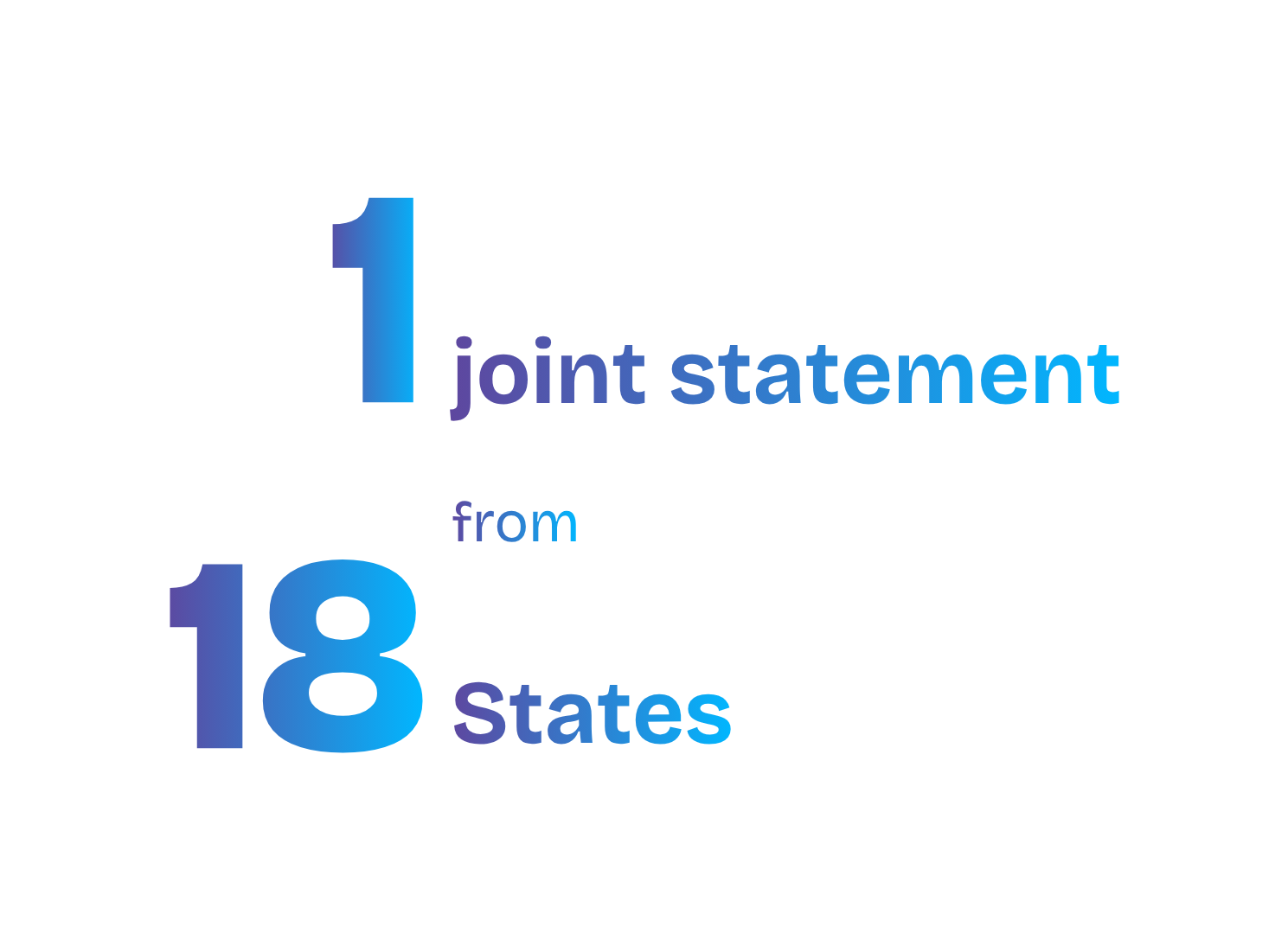
A group of States delivered a joint statement to support the campaign, committing to uphold the Convention through concrete and practical actions. The Convention’s States parties reaffirmed their determination to universalize the Convention and promote its norms.
An UNMAS-supported deminer in South Sudan. (Photo credit: UNMAS)

A demining team established through UNMAS helps restore safe access to land and livelihoods. UNODA supports mine action through its broader work to advance disarmament, arms control and protection-centred approaches across the UN system. (Photo credit: UNMAS)

Panels from an exhibition launched in December as part of the Secretary-General’s campaign on humanitarian disarmament and mine action.

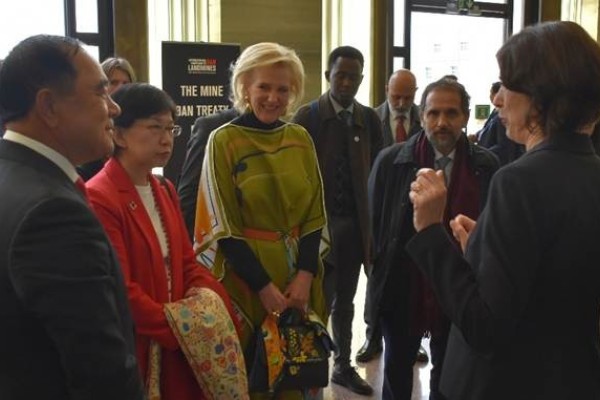
The Secretary-General and High Representative for Disarmament Affairs address the twenty-second Meeting of States Parties to the Anti-Personnel Mine Ban Convention. (Photo credit: Implementation Support Unit of the Anti-Personnel Mine Ban Convention)
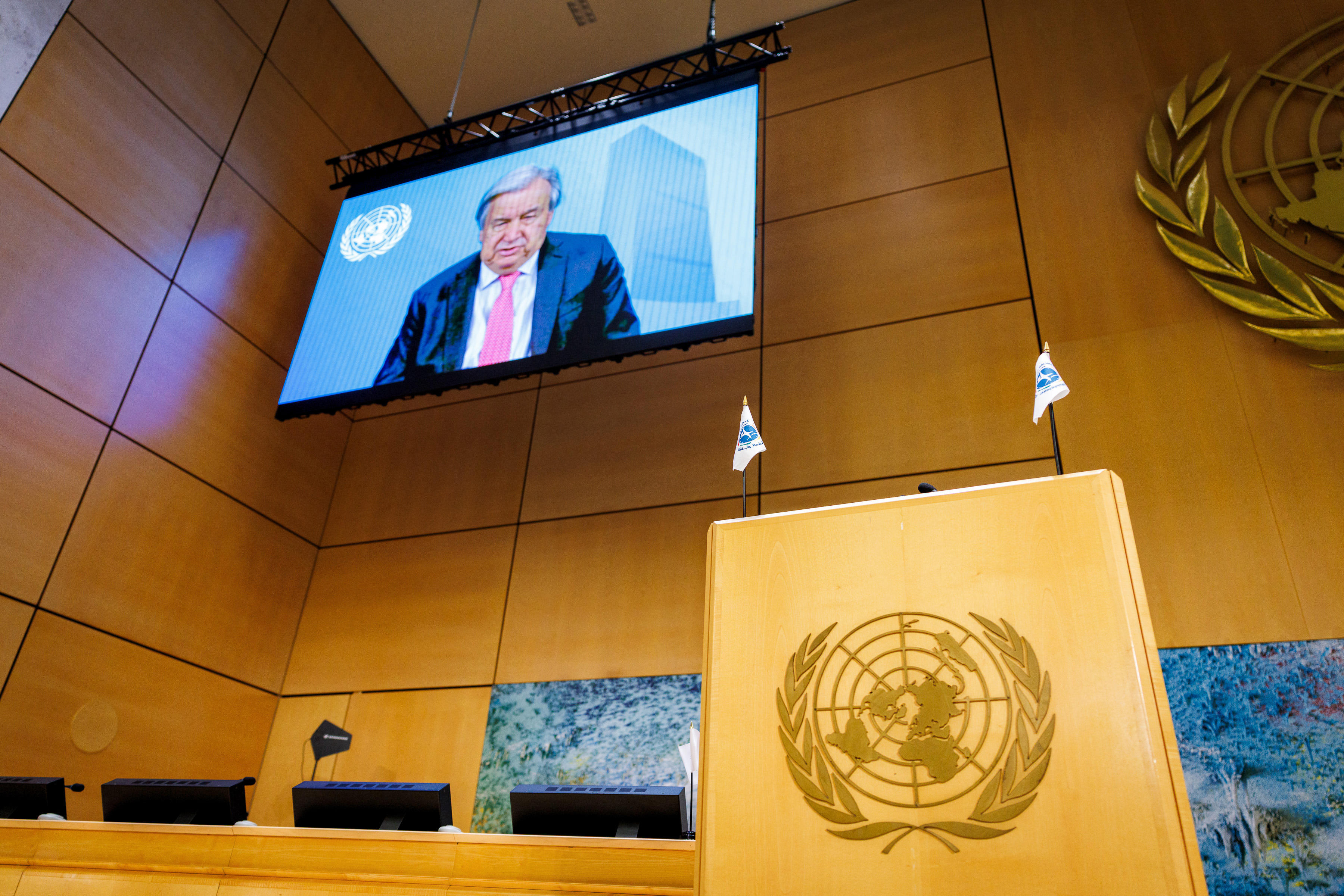
Anti-personnel landmines are among the cruellest and most indiscriminate weapons ever created.
— António Guterres, UN Secretary-General
Make it loud and clear that anti-personnel landmines are unacceptable.
— Izumi Nakamitsu, UN High Representative for Disarmament Affairs, addresses States parties to the Anti-Personnel Mine Ban Convention
To abandon the [Convention] when it matters most is to betray the very people it was created to protect.
— Izumi Nakamitsu, on behalf of the UN Inter-Agency Coordination Group on Mine Action
Listen
The International Campaign to Ban Landmines interviews the UN High Representative on landmines as “silent killers”
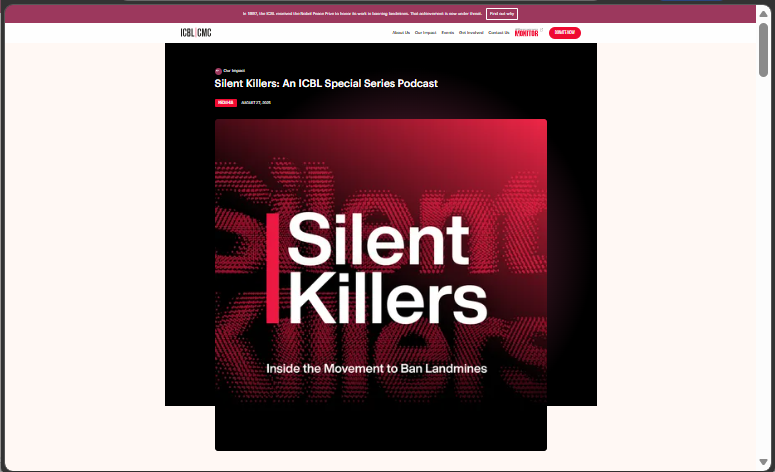
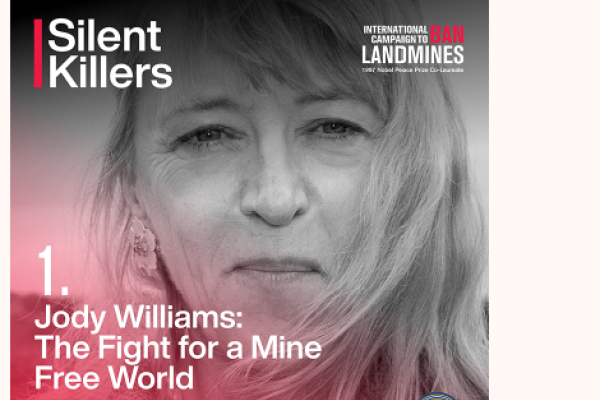
Episode 1. Jody Williams: The Fight for a Mine Free World
Nobel Peace Prize laureate Jody Williams reflects on the struggle to ban landmines and the lessons for today’s activists.
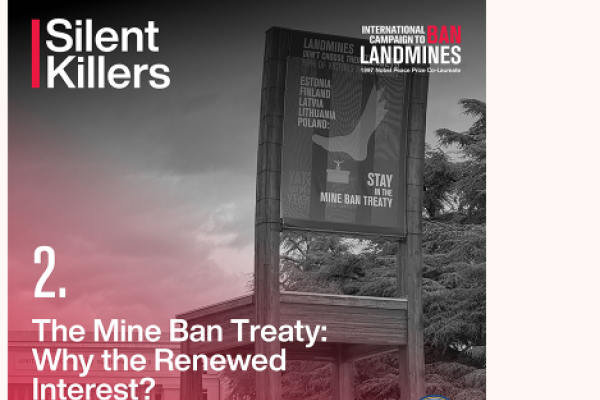
Episode 2. The Mine Ban Treaty: Why the Renewed Interest?
Host David Peck engages with Alma Taslidzan, ICBL-CMC Board chair and Kasia Derlicka-Rosenbauer, ICBL-CMC Deputy Director, to discuss the pressing issues surrounding landmines and disarmament.
Supporting the Nuclear Non-Proliferation Treaty at 55
Amid heightened global tensions, States continued to uphold the Treaty on the Non-Proliferation of Nuclear Weapons as the cornerstone of efforts to curb nuclear risks. The Treaty had 191 States Parties as of its fifty-fifth anniversary in 2025. UNODA acts for the Secretary-General in supporting the implementation of the Treaty and its review process.
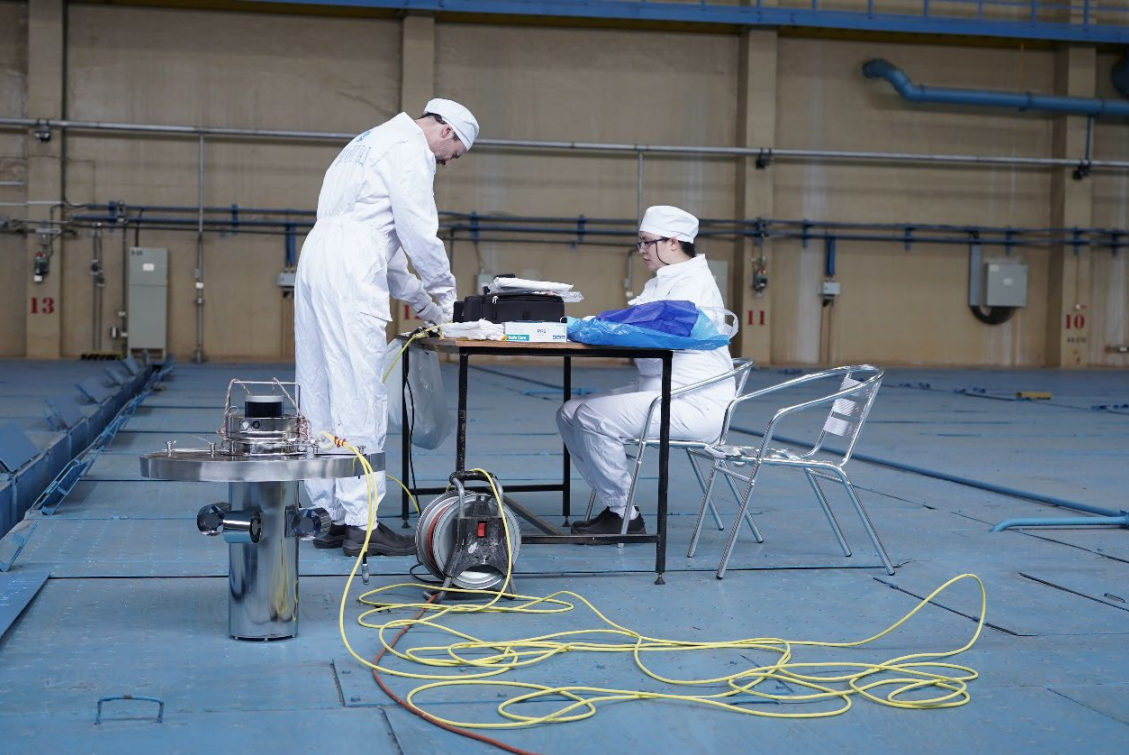
Inspectors of the International Atomic Energy Agency, a partner of UNODA, deploy detection equipment as part of safeguards that verify nuclear material is being used for peaceful purposes. (Photo credit: IAEA)
Strengthening the global norm against nuclear weapons
Amid rising nuclear risks, States parties to the Treaty on the Prohibition of Nuclear Weapons met in New York in March 2025 to reaffirm the humanitarian imperative of nuclear disarmament. With support from UNODA in servicing the Treaty process, the meeting adopted a political declaration and decisions to carry implementation forward, including continued intersessional work on universalization, victim assistance, environmental remediation, international cooperation and complementarity with the wider disarmament and non-proliferation regime.
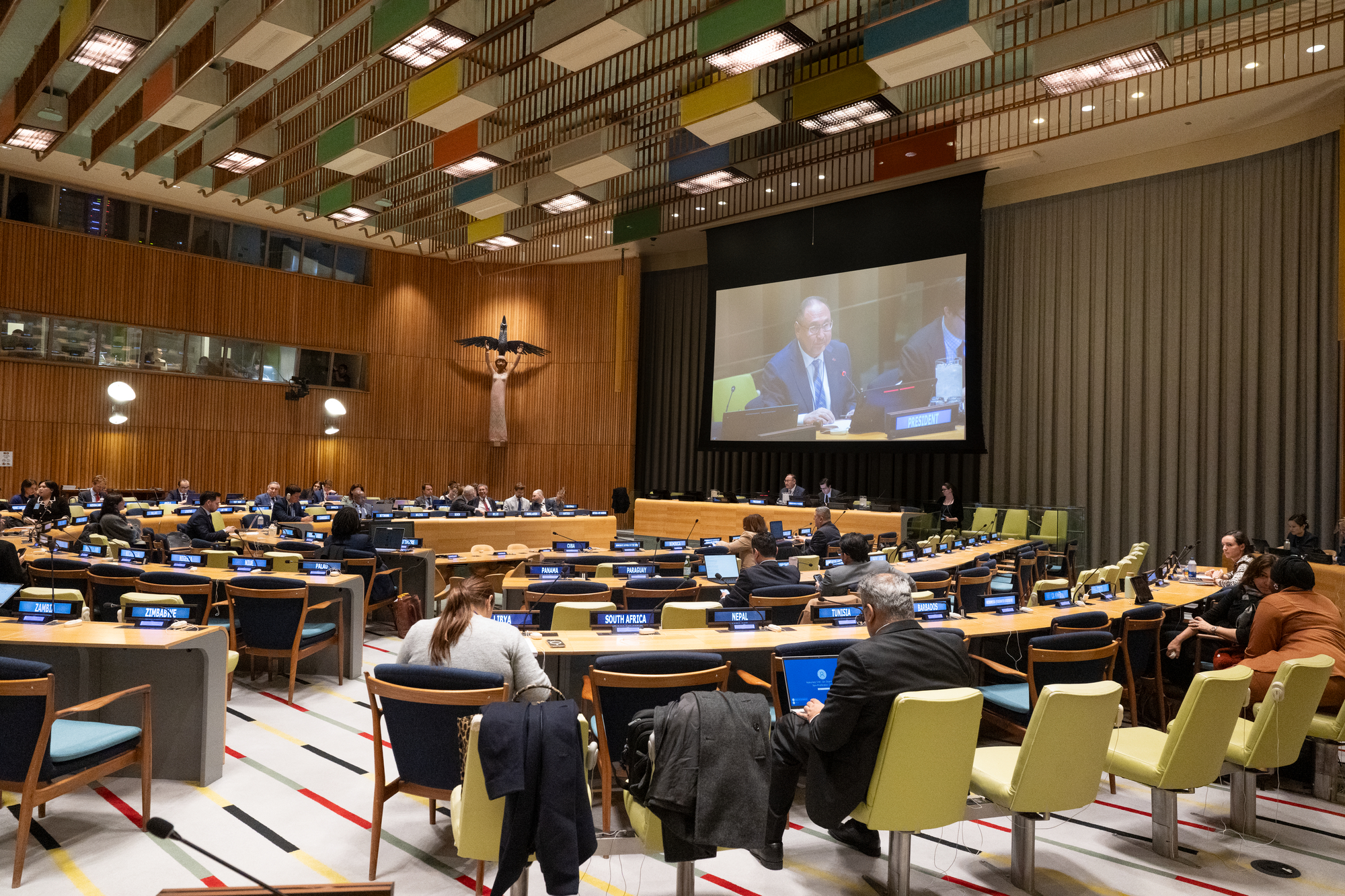
Akan Rakhmetullin (on screen), First Deputy Foreign Minister of Kazakhstan, chairs the third Meeting of States Parties to the Treaty on the Prohibition of Nuclear Weapons at UN Headquarters. (UN Photo/Eskinder Debebe)
Building capacity through technical assistance
UN Secretary-General’s Mechanism: roster
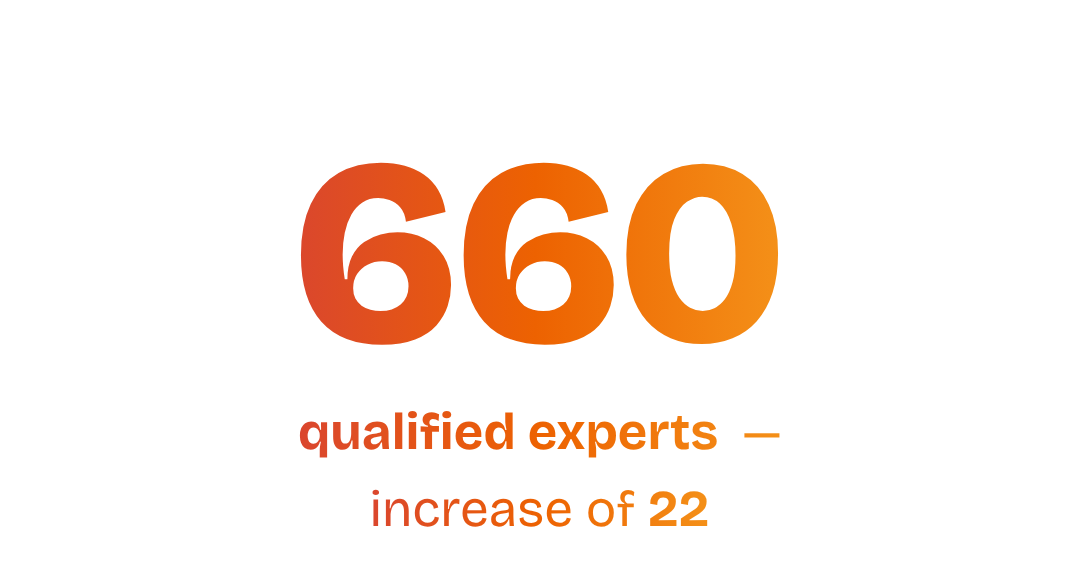
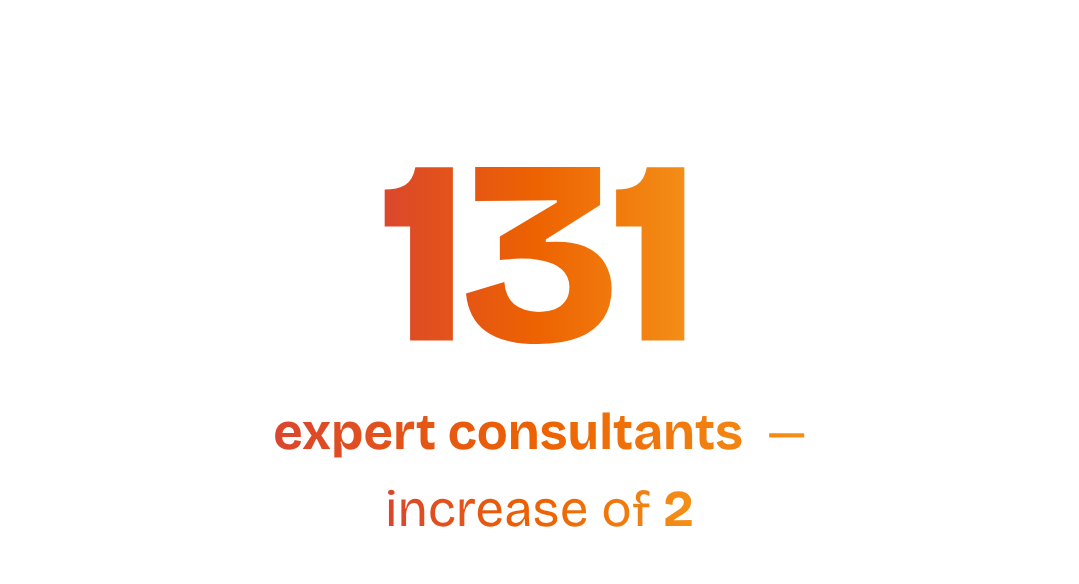
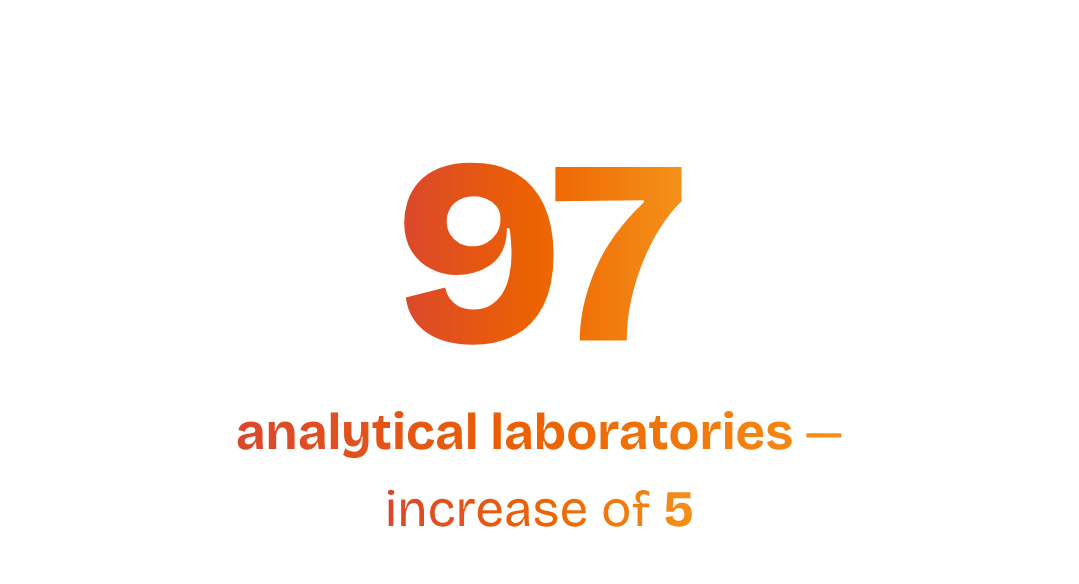
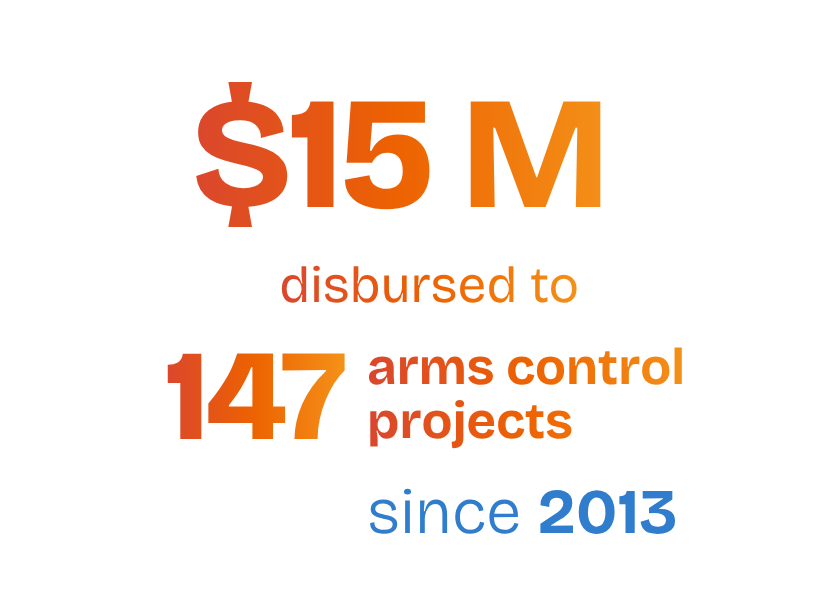
Arms control activities funded through the United Nations Trust Facility Supporting Cooperation on Arms Regulation (UNSCAR)
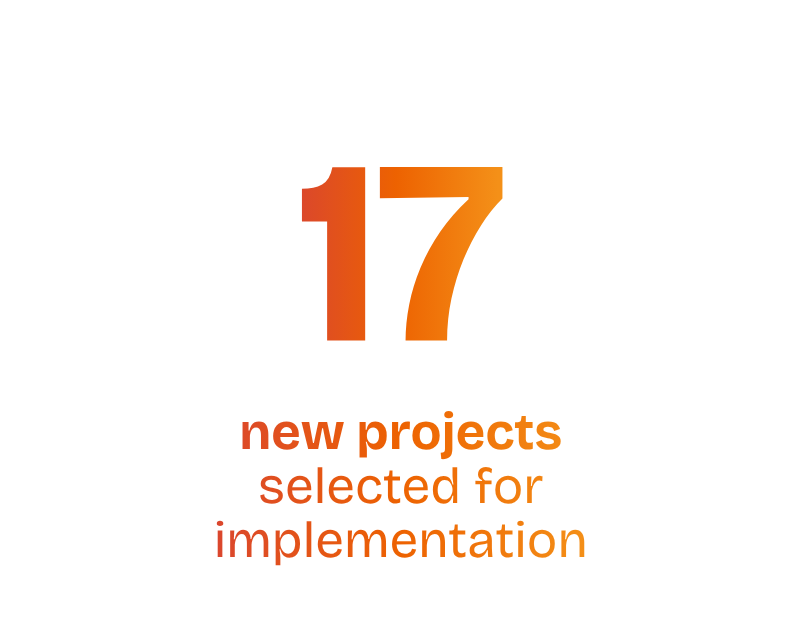
Biological Weapons Convention
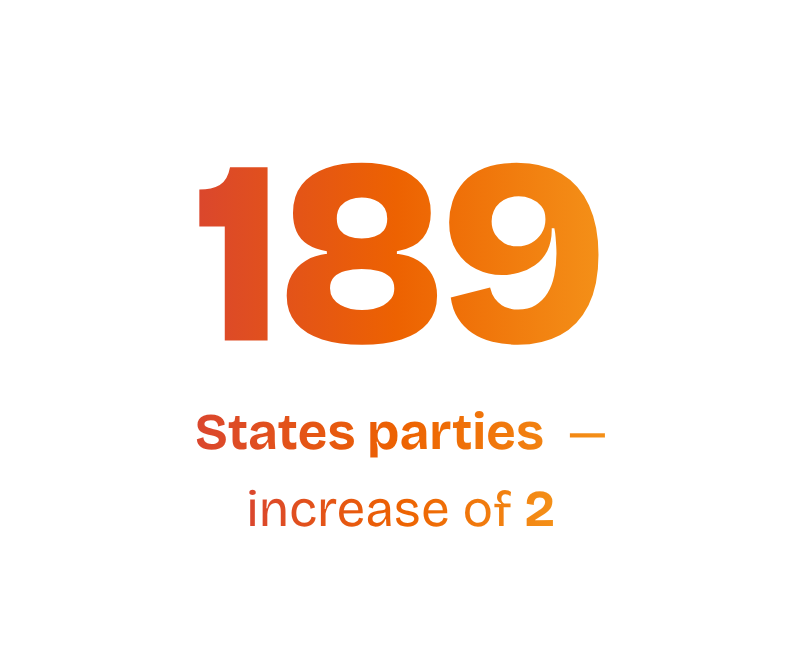
More engagement by States
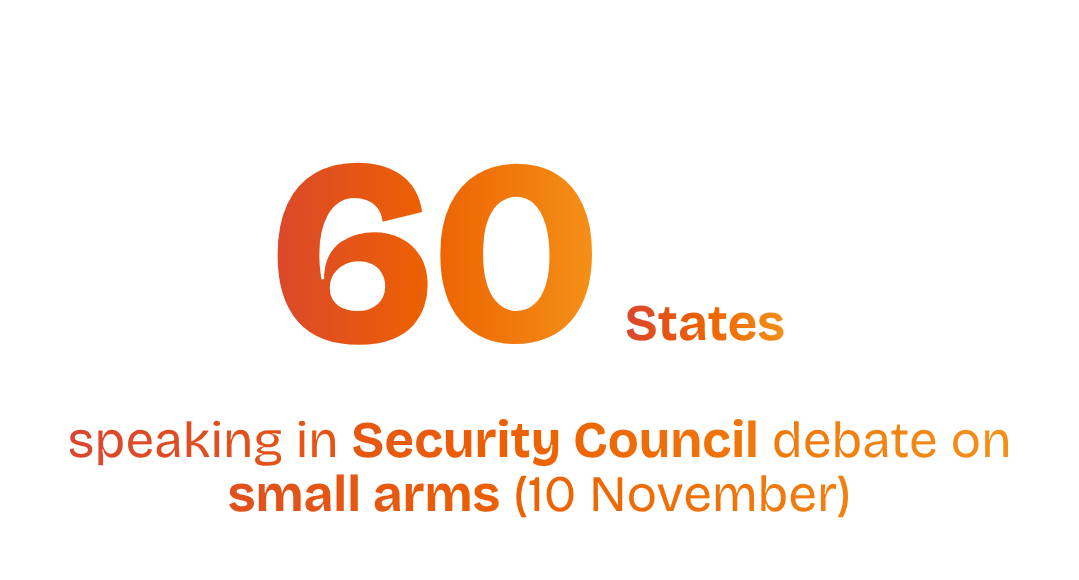
Strengthening capacities against biological threats
UNODA strengthened regional and national readiness through technical training to help States prevent, prepare for, investigate and respond to deliberate biological threats.
The challenge

Preventing and responding to biological threats depends on sustained regional and national capacities. These include robust legal and regulatory frameworks, trained personnel, tested procedures and trusted cooperation and assistance mechanisms when time is critical.
UNODA actions
Helped States to develop and strengthen legal and regulatory frameworks to ensure implementation of internationally binding instruments, for example by including provisions to penalize and hold perpetrators accountable, as well as by establishing mechanisms of control and licenses
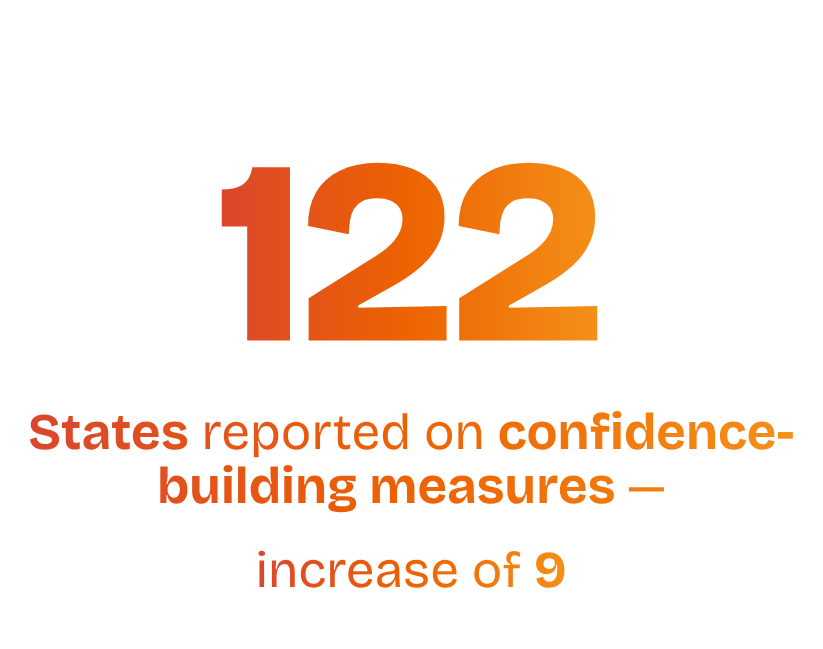
Supported the enhanced exchange of confidence-building measures to build trust and reduce ambiguities among States
Delivered training across national, regional, online and in-person formats to raise awareness and strengthen technical skills in close cooperation with States and regional and international partners
Strengthened implementation readiness, including specialized skills to investigate allegations of biological weapons use
Expanded international cooperation and assistance programmes to build domestic capacities
Outcome
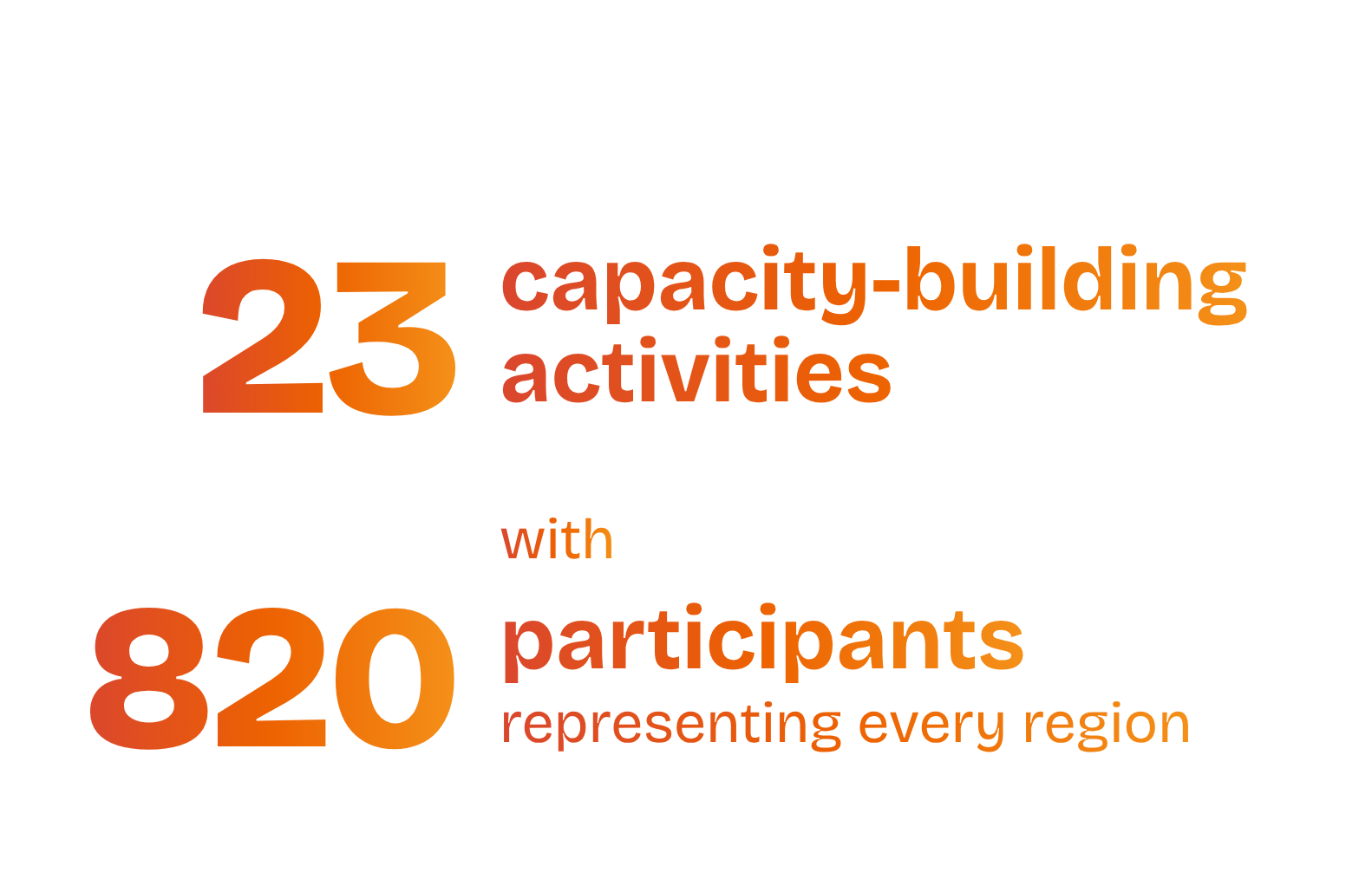
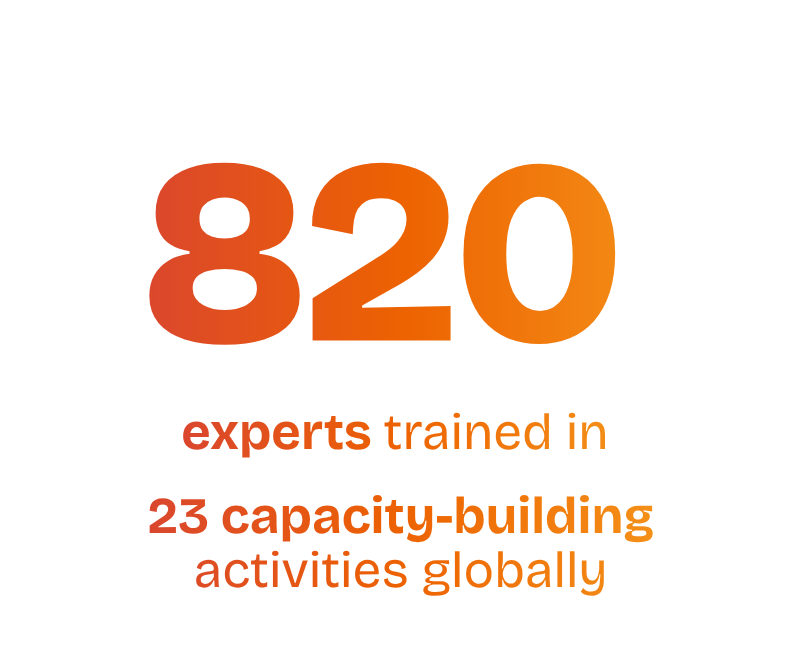
A total of 23 capacity-building activities were delivered to meet requests from States on all continents, engaging more than 820 participants to advance the universalization of the Biological Weapons Convention and strengthen its implementation.
Nominated experts train in biological crime scene management in Brindisi, Italy, strengthening skills crucial to the readiness of the Secretary-General’s Mechanism for Investigation of Alleged Use of Chemical and Biological Weapons.

The African Conference on the Biological Weapons Convention, held in Nairobi, convened national experts of 52 African States in Nairobi in November to discuss best practices and challenges related to the Convention’s implementation.


Participants of the Youth for Biosecurity Fellowship attend an on-site visit to Spiez Laboratory (Swiss Federal Institute for Nuclear, Biological and Chemical Protection) to learn more about the Laboratory’s work. The activity was part of the Fellowship’s in-person component held in Geneva in August.
Rebalancing security priorities in support of development
UNODA advanced prevention‑first security approaches by aligning States around practical road maps, catalytic financing and evidence‑based tools that reduce armed violence while supporting development priorities.
The challenge

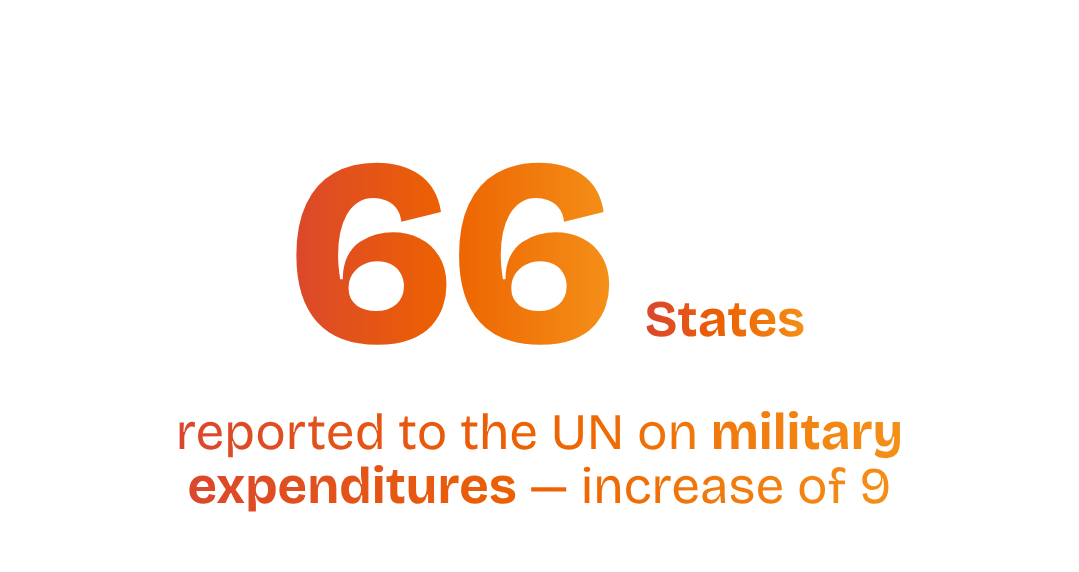
With global military spending reaching $2.887 trillion in 2025, the case for prevention-first, development-aligned security solutions is sharpening — especially where firearms drive daily insecurity.
UNODA actions
Supported adoption and promotion of the Central America and Dominican Republic Firearms Roadmap and facilitated the Mid-Term Review of the Caribbean Firearms Roadmap
Launched the UN Fellowship Training Programme on Small Arms and Light Weapons Control in close collaboration with its Regional Centres and the United Nations Institute for Training and Research, equipping practitioners with practical, region‑specific skills to implement the Programme of Action on Small Arms and Light Weapons and the International Tracing Instrument
Enabled catalytic action through UNSCAR support that strengthens arms control and community prevention capacity in diverse contexts
Outcome
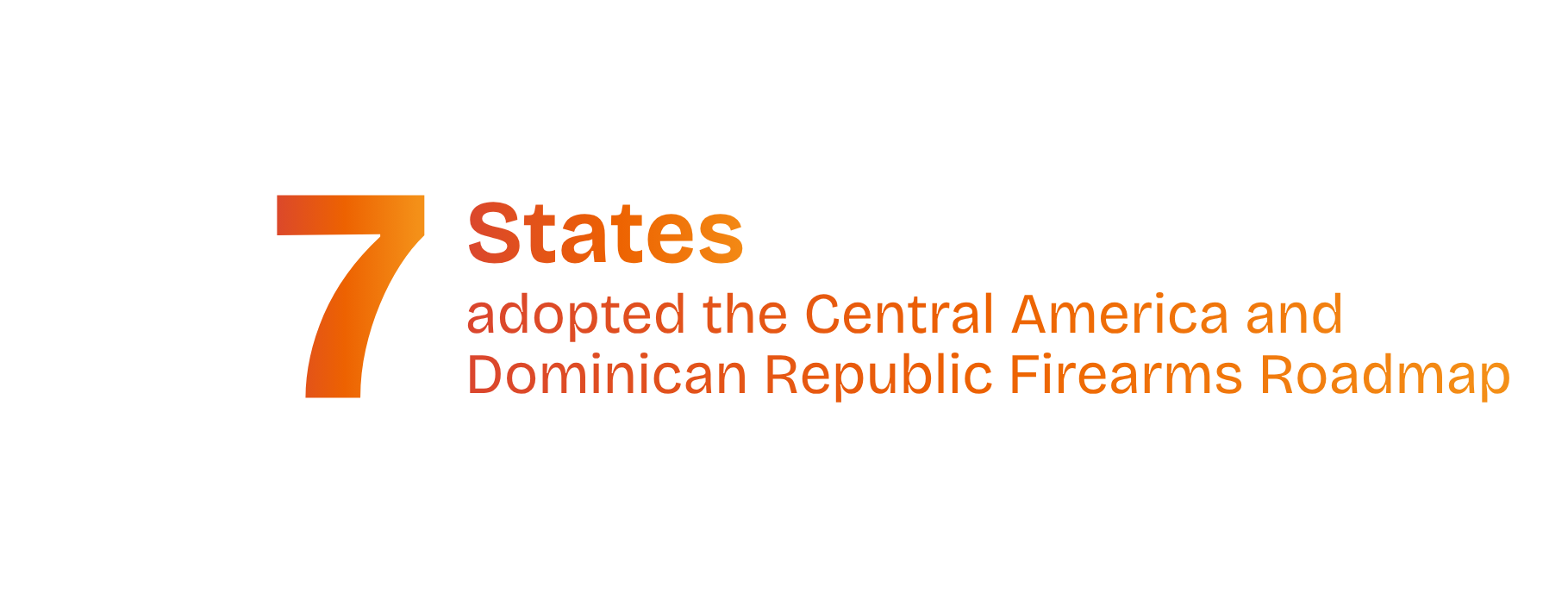
Tackling the daily insecurity caused by firearms, seven States adopted the Central America and Dominican Republic Firearms Roadmap — a shared, prevention-first plan reinforced by financing and tools to turn commitments into implementation.
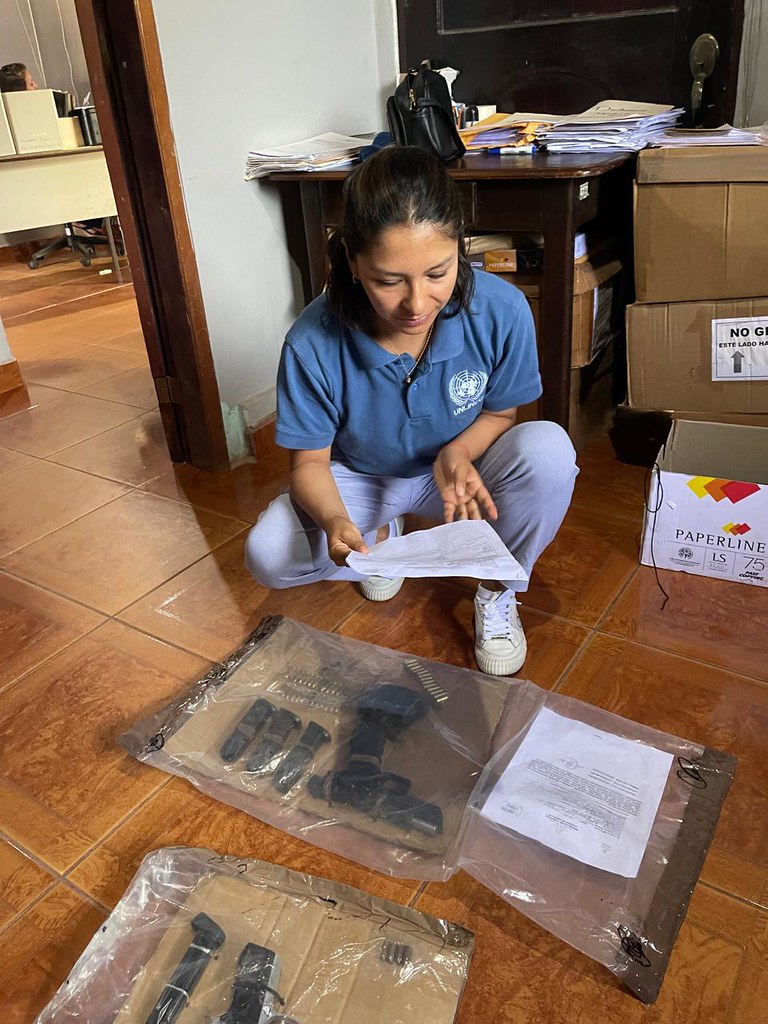
UNODA assessed the conditions of firearms and ammunition evidence storage facilities in Honduras, helping translate commitments under the Central America and Dominican Republic Firearms Roadmap into safer firearms and ammunition management.

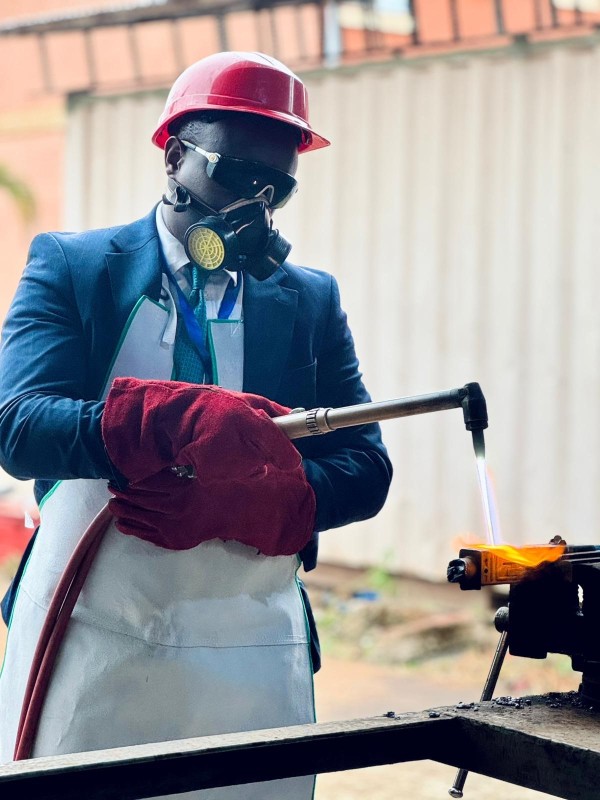
Participants of the UN Fellowship Training Programme on Small Arms and Light Weapons Control practice safe weapons destruction using a high-temperature cutting torch.
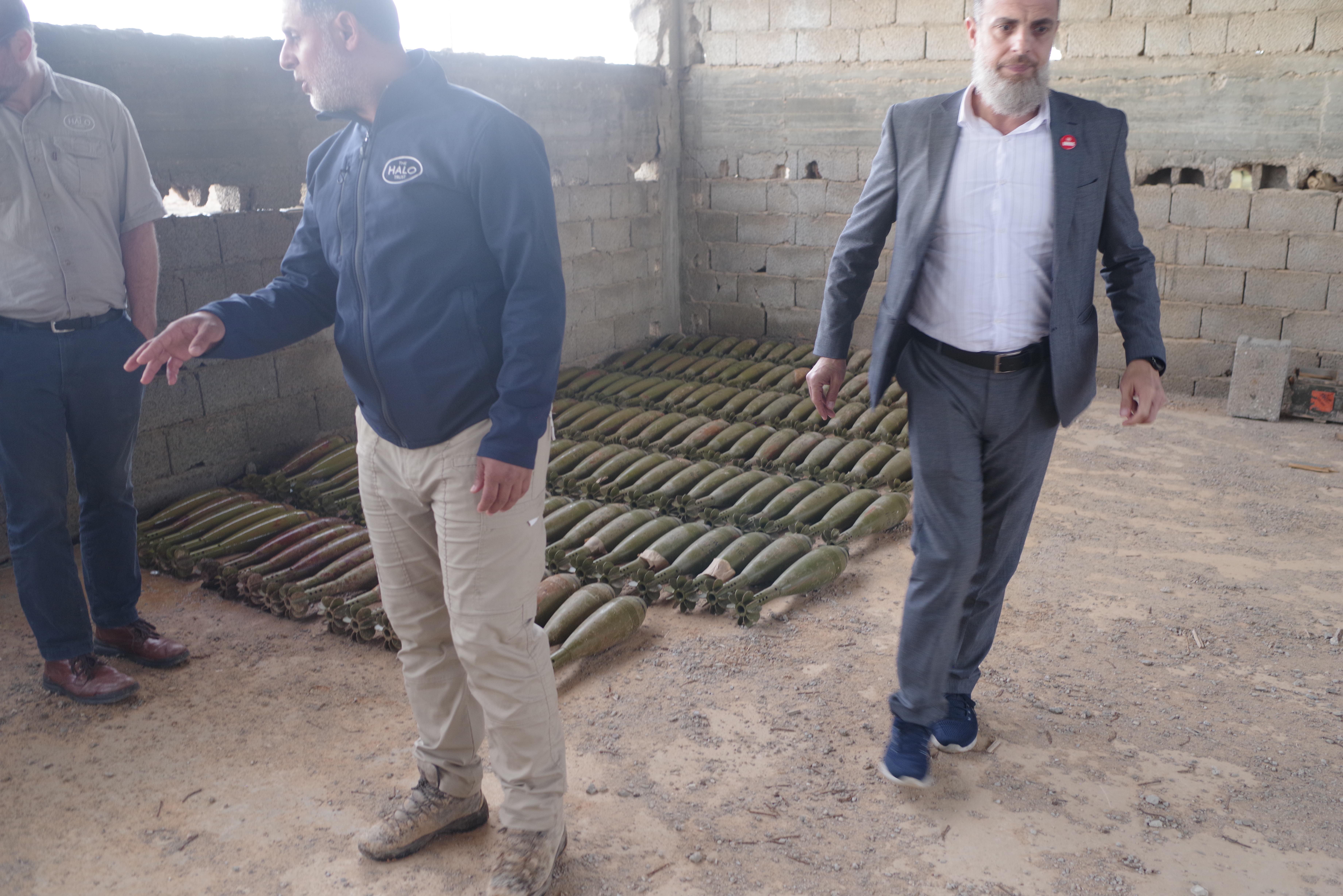
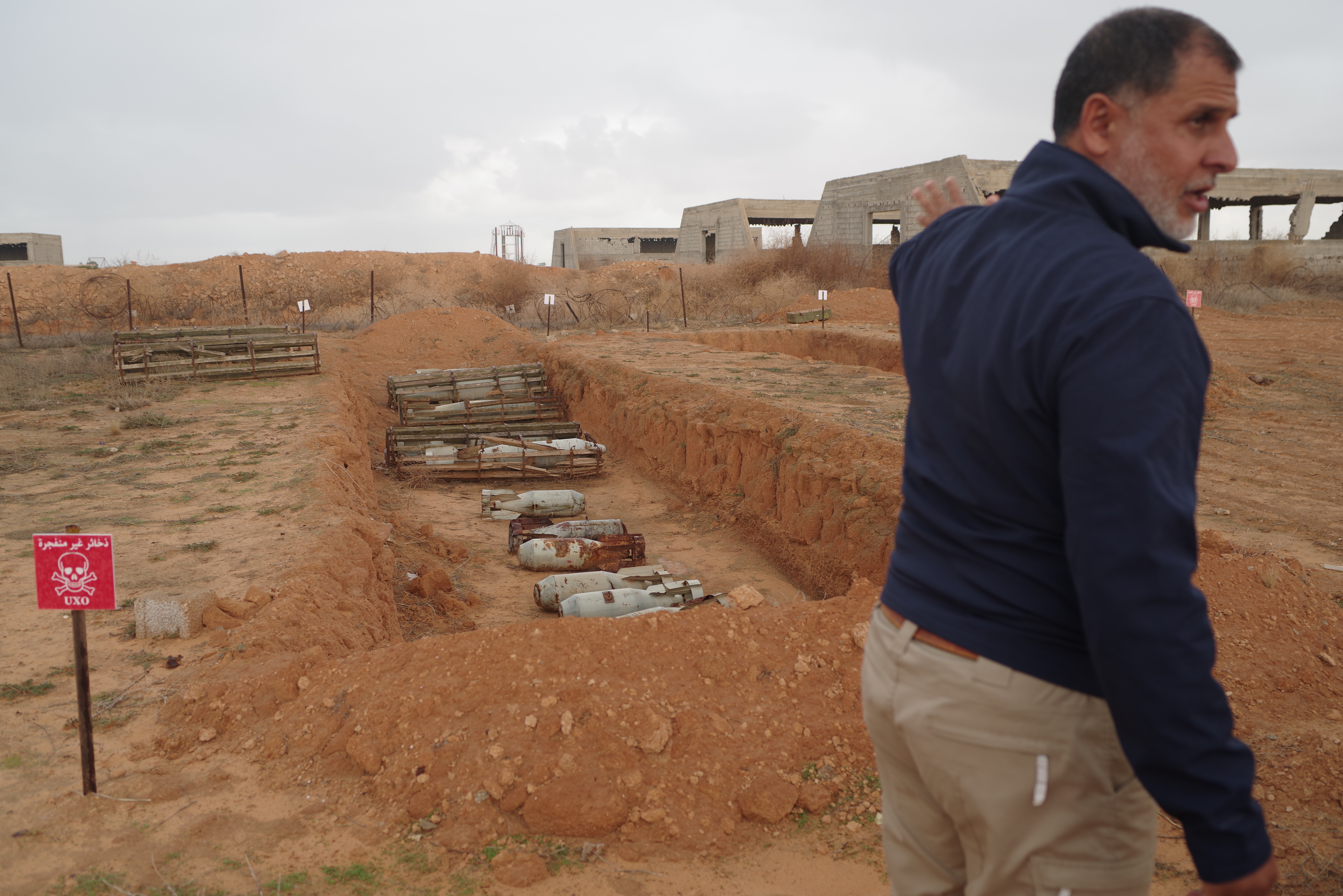
UNODA partnered with The HALO Trust to build the capacity of State actors in Libya to improve the security of stockpiled weapons.
Secretary‑General report launch — “The Security We Need”
Under Action 13 (c) of the Pact for the Future, UNODA supported the Secretary-General in producing his September 2025 report entitled The Security We Need: Rebalancing Military Spending for a Sustainable and Peaceful Future. The report contained assessments on how rising military spending can undermine progress in achieving the 2030 Agenda for Sustainable Development. UNODA helped convene broad consultations and ran a call for papers (57 submissions), strengthening the evidence base behind recommendations to put diplomacy first, boost transparency and reframe security through a human-centred lens. To broaden outreach, UNODA also developed and launched an accompanying e‑learning module, “Excessive Military Expenditure and its Impact on Sustainable Development”, translating the report’s findings into an accessible learning format.
The evidence is clear: excessive military spending does not guarantee peace. It often undermines it — fuelling arms races, deepening mistrust, and diverting resources from the very foundations of stability.
— António Guterres, UN Secretary-General
Amplifying voices
Advocating for disarmament solutions
Widening access to knowledge
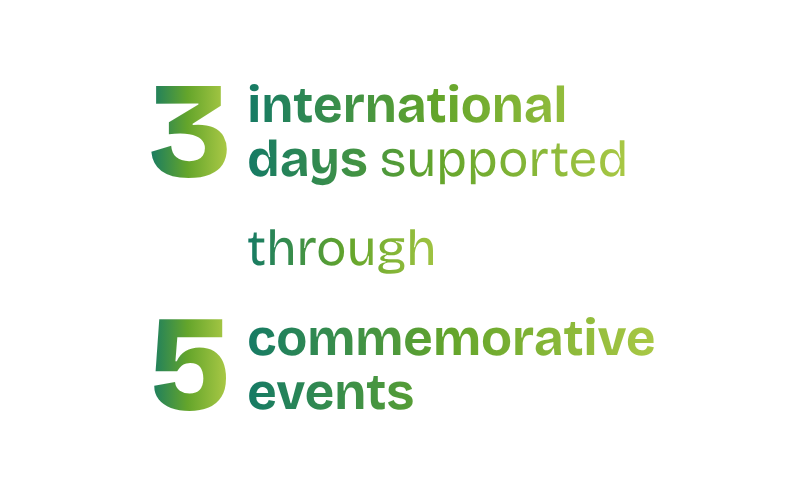
The Disarmament Education Dashboard

Fostering inclusion in disarmament work
With women still underrepresented in disarmament forums, UNODA expanded fellowships, e-learning and gender-responsive programming to widen access, build skills and strengthen diversity among advocates and practitioners.
The challenge
Women accounted for just 37% of delegates, 30% of speakers and 28% of heads of delegation in the General Assembly’s First Committee, underscoring a persistent gap in their representation across disarmament and international security professions.
UNODA actions
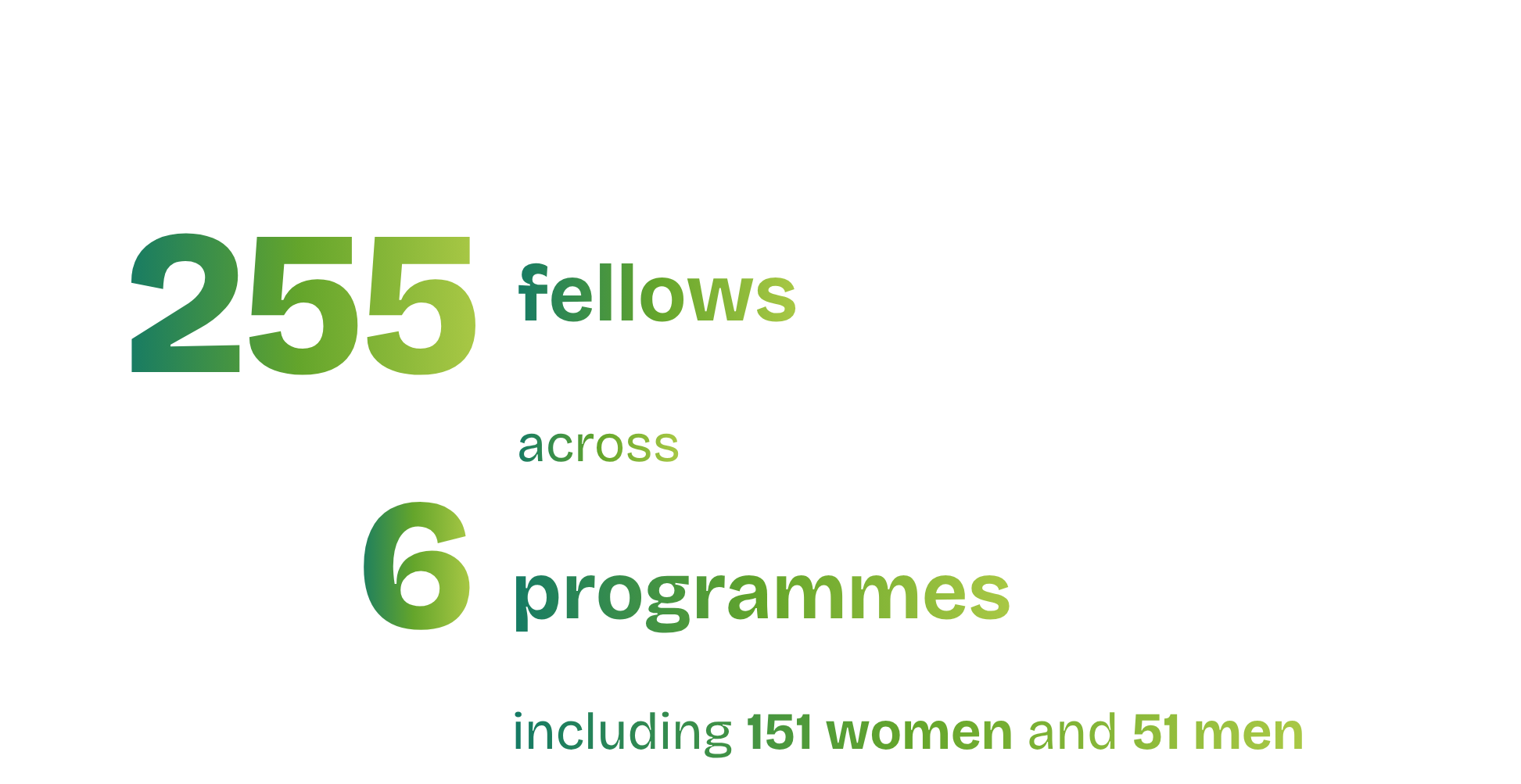
Achieved gender parity in cohorts for the UN Disarmament Fellowship Programme and the Youth for Biosecurity Fellowship, as well as the Secretary-General’s Advisory Board on Disarmament Matters
Empowered 10 women scientists from 9 States in the Global South through the Young Women for Biosecurity Fellowship, strengthening networks and exposure to multilateral processes
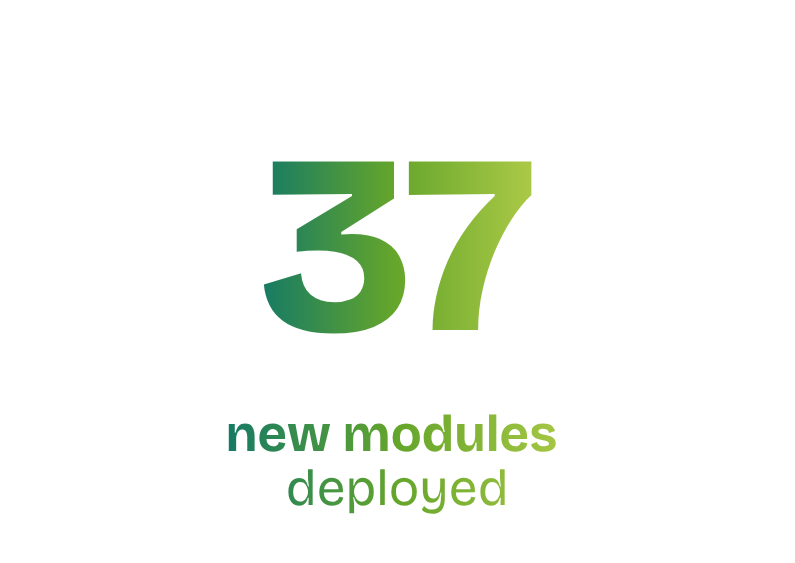
Trained Member States’ experts from 37 African countries on effectively integrating gender considerations in small-arms-control policy and practice
Integrated gender in programme delivery, with 72% of recorded activities integrating gender perspectives or addressing gender equality as a key focus
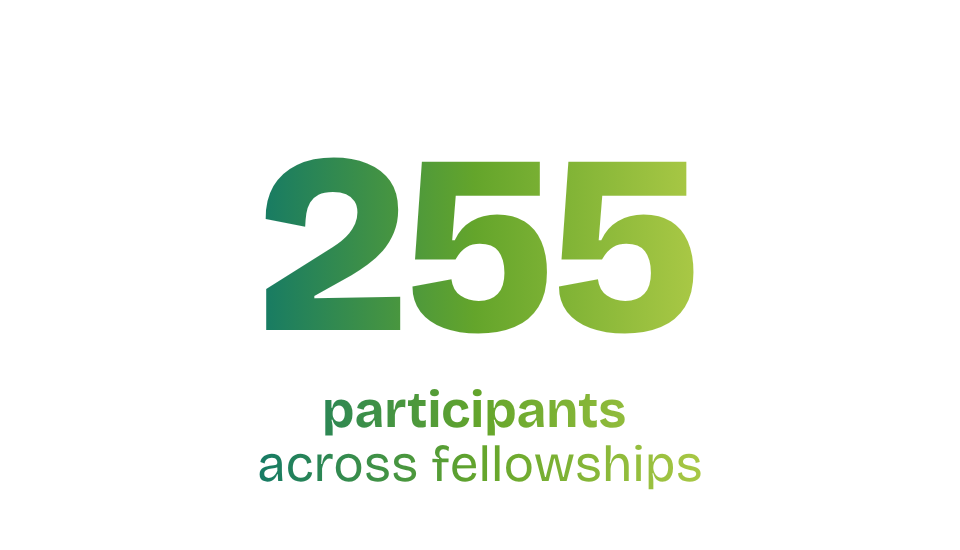
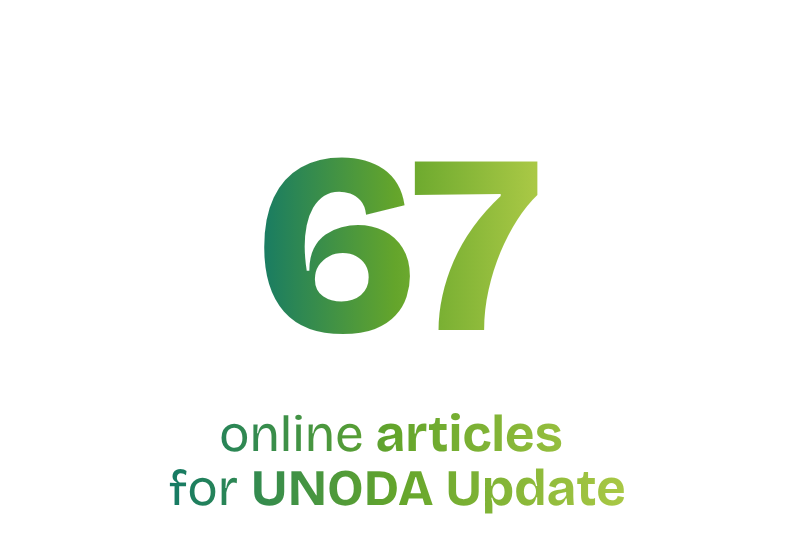
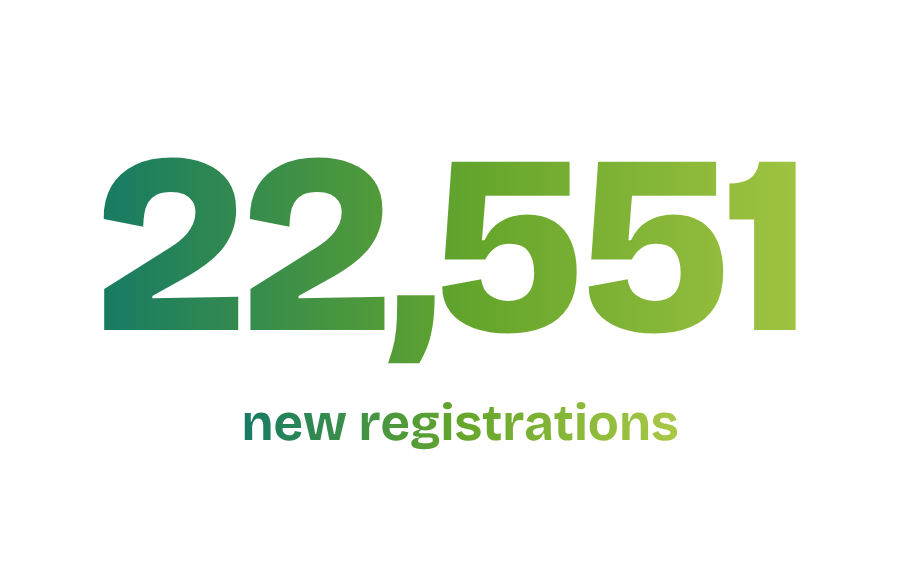
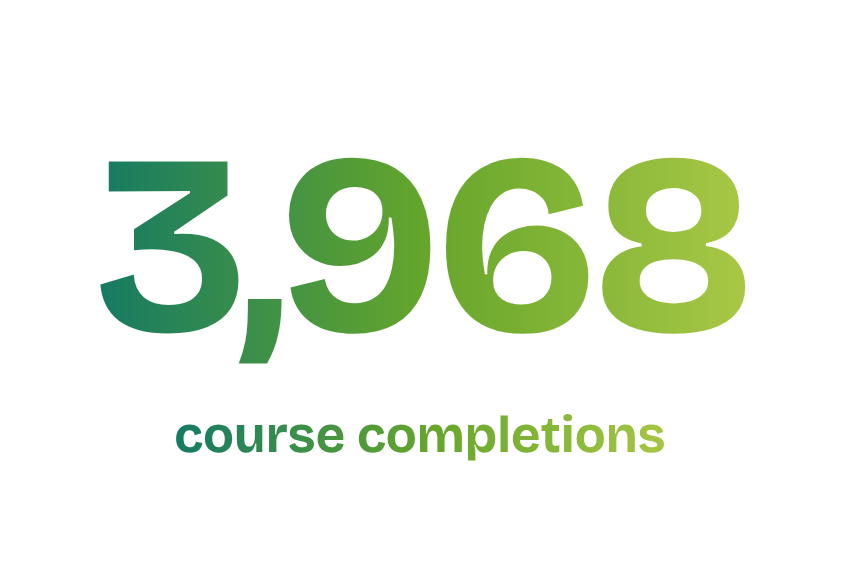
Grew inclusive representation on the Disarmament Education Dashboard to more than 52,300 registered users, 51.9% of them women.[6]
Outcome
We see inclusive participation and empowerment as crucial components of international peace and security.
— UNODA Strategic Plan, 2026–2030
Notes
[6] Self-reported by users. Three participants identified as “other”.
[7] Disarmament Fellowship, UN-Singapore Cyber Fellowship, UN Fellowship Training Programme on Small Arms and Light Weapons Control, Youth for Biosecurity, Young Women for Biosecurity Fellowship and Fellowship for Scientists in the Peaceful Use of Biology and Biosecurity.
UN First Committee: Progress on gender
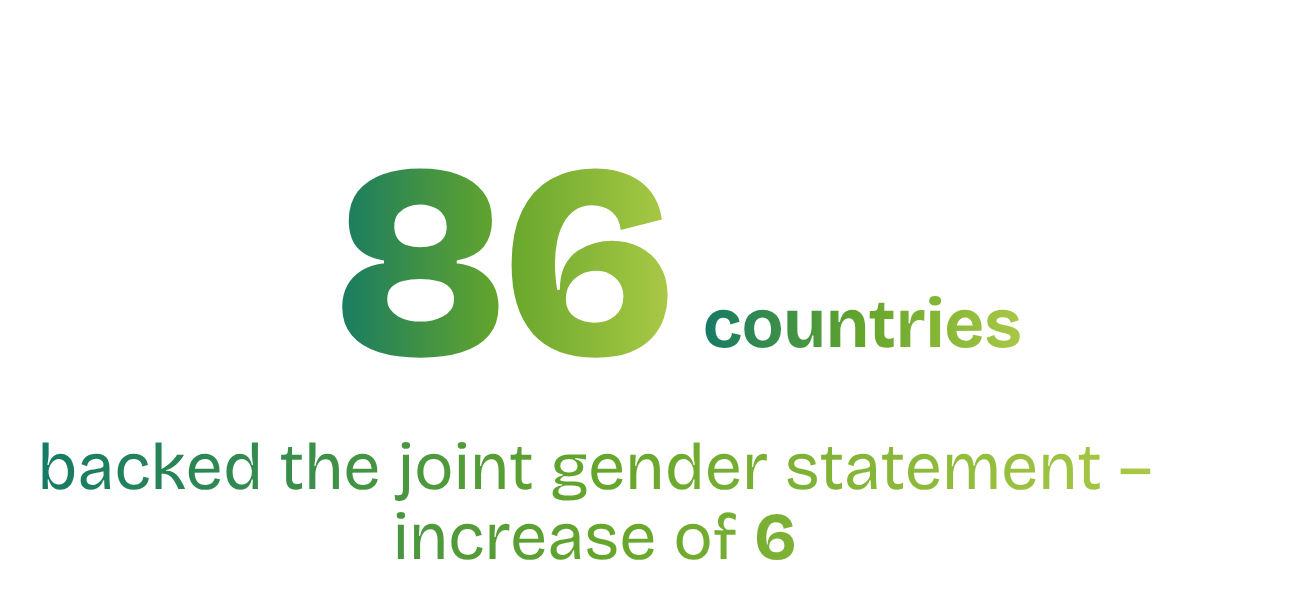
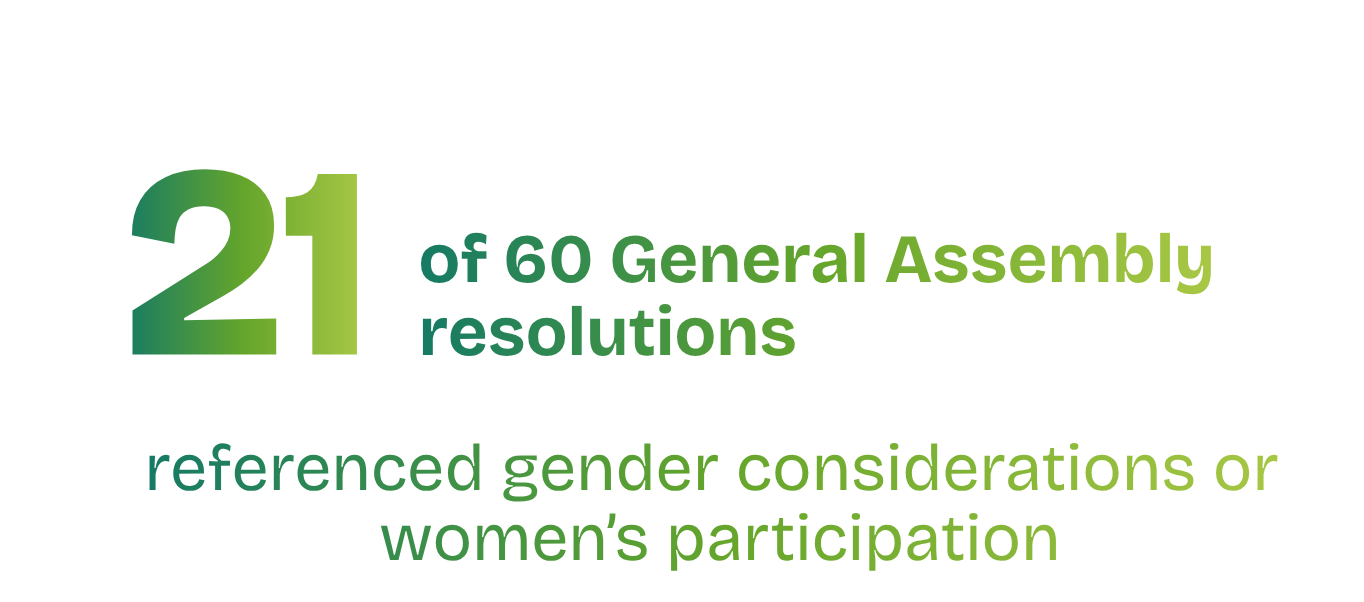
Policy attention to gender issues is growing, even as representation gaps persist.
Participants in the UN Disarmament Fellowship Programme take part in a study visit in Vienna. The Programme achieved gender parity in 2025.

Young Women for Biosecurity Fellowship: 10 women scientists from 9 States in the Global South.


Specialists in Saint Vincent and the Grenadines train to recover serial numbers obliterated from firearms in a programme of the UN Regional Centre for Disarmament and Development in Latin America and the Caribbean held in October.

Participants gather for the Women, Forces of Change Symposium, convened in December by the Regional Centre in Lima.
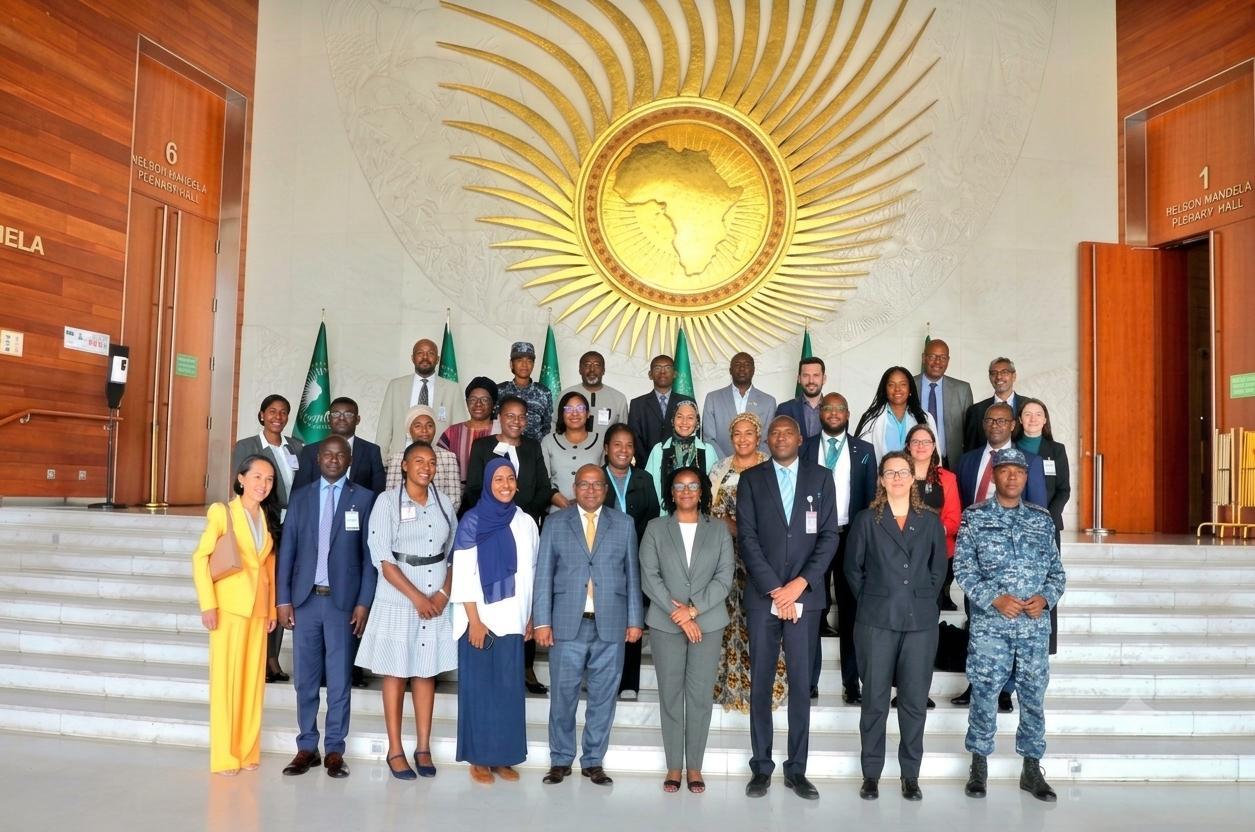
Participants of the Regional Strategic Workshop on Gender Mainstreaming in Small Arms Control for Eastern Africa, co-organized with the African Union and held on 16 April in Addis Ababa, Ethiopia.
Listen
“Women, Forces of Change: The Podcast”, from UNODA’s Regional Centre in Lima, highlights the experiences of women across Latin America and the Caribbean working in disarmament, peace and security, sharing personal stories of resilience, leadership and efforts to build safer and more inclusive societies.

Empowering a new generation to tackle emerging nuclear threats
UNODA equipped early-career leaders with expertise and access to help Governments confront nuclear risks as emerging technologies reshape decision-making.
The challenge

As countries with nuclear weapons consider the role of AI and other rapidly evolving technologies in nuclear command, control and communications systems, Governments face important decisions on risk reduction.
UNODA actions
Engaged 30 selected early-career professionals in sustained intergenerational dialogue with experts at the intersection of nuclear weapons, AI and cybersecurity
Convened participants at UN Headquarters for the inaugural Youth4Disarmament Forum to translate learning into concrete recommendations for international action
Enabled participants to present proposals directly to the General Assembly’s First Committee, increasing youth visibility in multilateral deliberations
Outcome
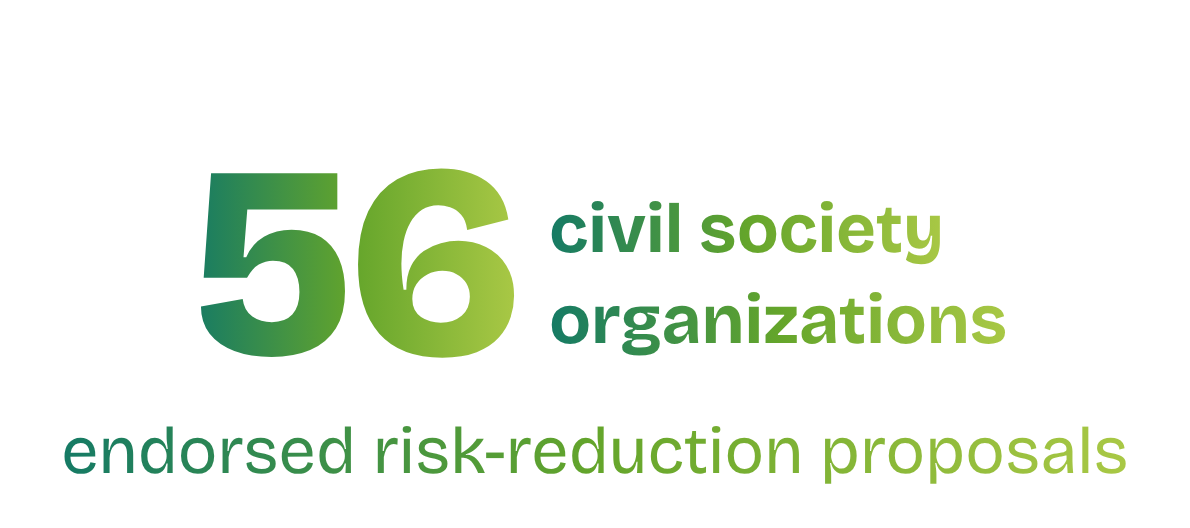
Fifty-six civil society organizations endorsed participant proposals submitted to the General Assembly, indicating momentum for practical risk-reduction steps.

Forum participants travelled to New York, where they developed proposals for addressing nuclear risks in the age of emerging technologies.

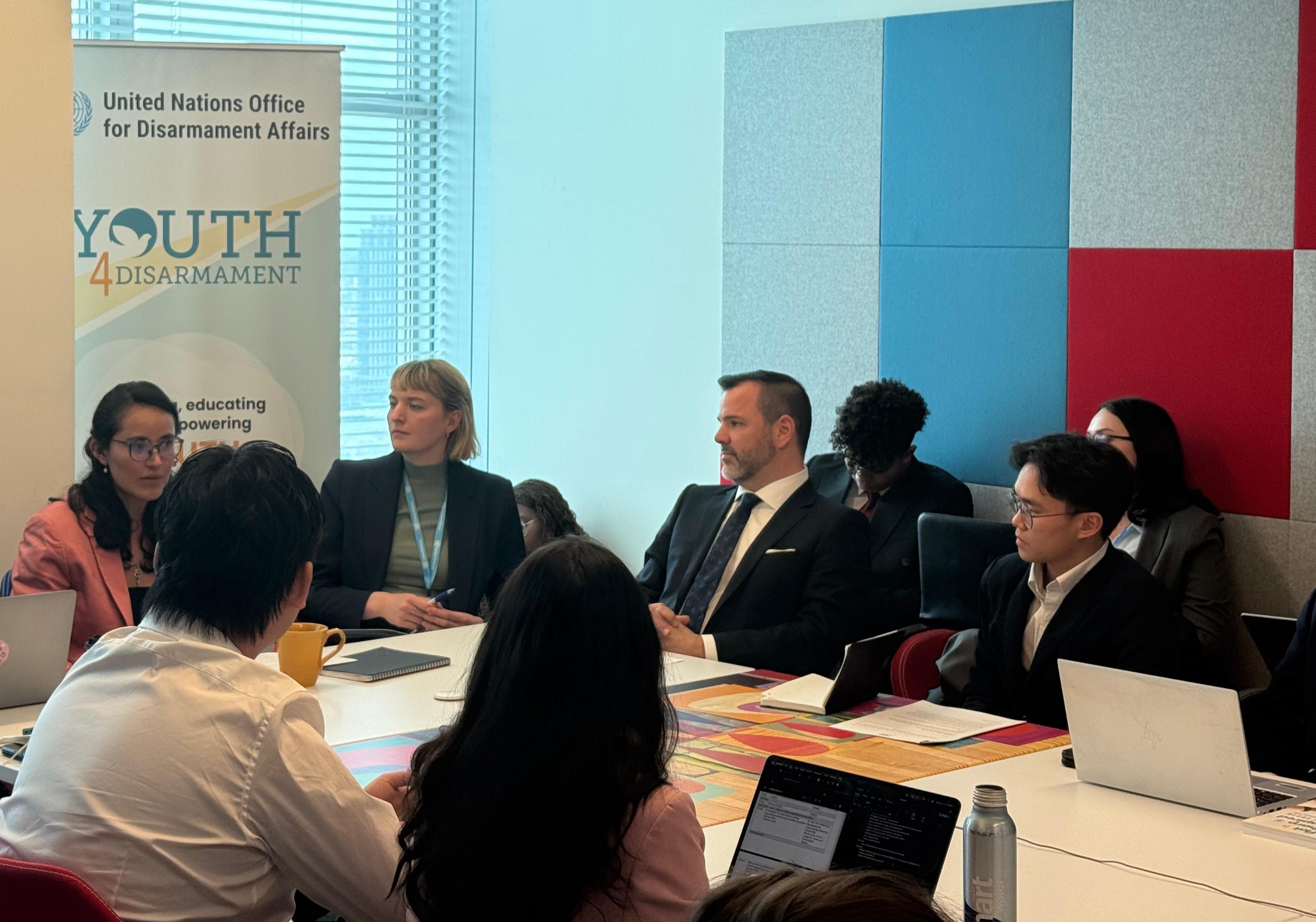
UNODA brought together participants and subject-matter experts for online and in-person knowledge sharing.

The participants presented their proposals for addressing nuclear risks to the UN General Assembly in New York.

Not One Nuclear Explosion (N.O.N.E.) Campaign
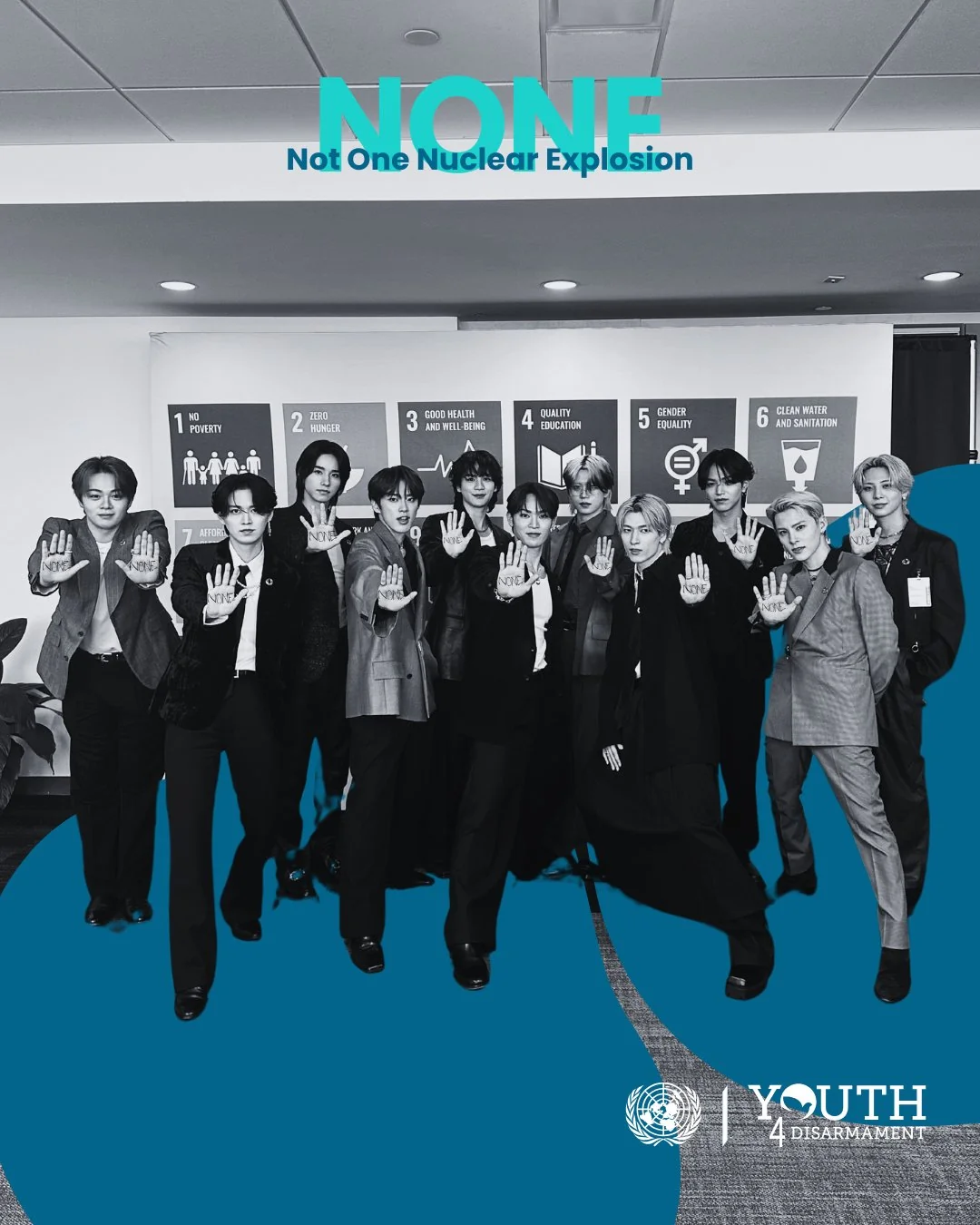
In 2025, UNODA’s #Youth4Disarmament programme expanded its social media campaign to publicly reject nuclear weapons testing. An appearance by the Japanese pop music group JO1 in March engaged tens of thousands of fans worldwide.
Youth Leader Fund for a World without Nuclear Weapons
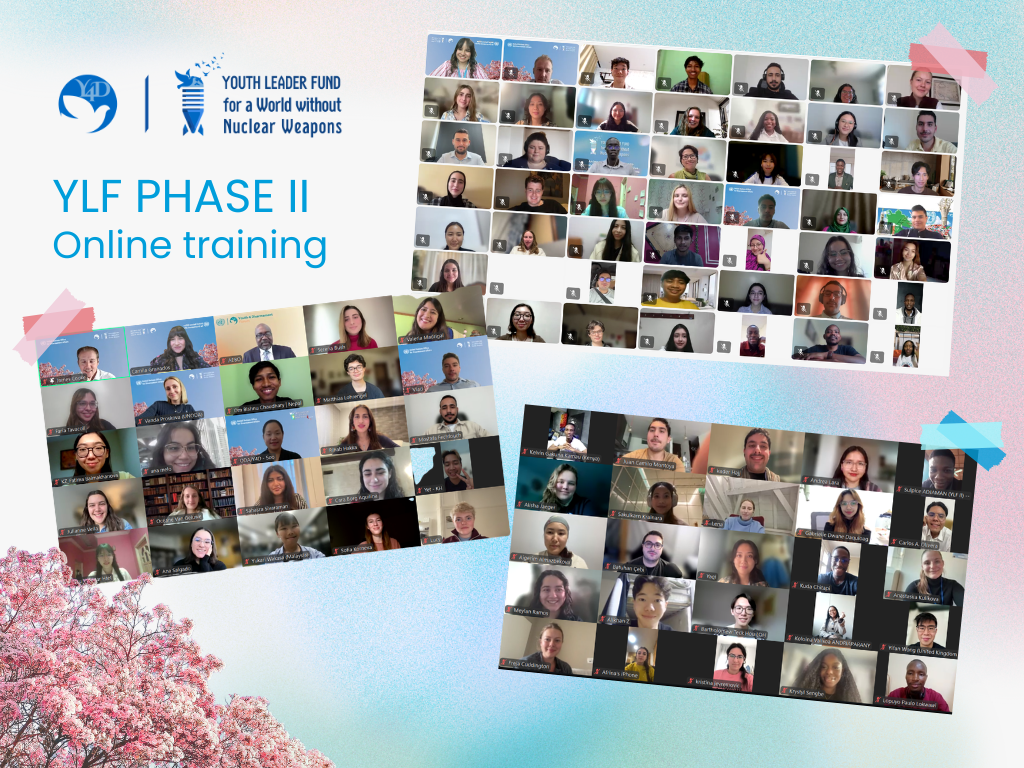
The Japan‑backed Fund’s second phase enabled 100 young leaders to translate survivor testimony and scientific evidence into impactful nuclear disarmament advocacy through expert‑led learning and mentorship.
Thank you to our donors
Top 33 donors from 1 January 2023 to 31 December 2024 (in USD)
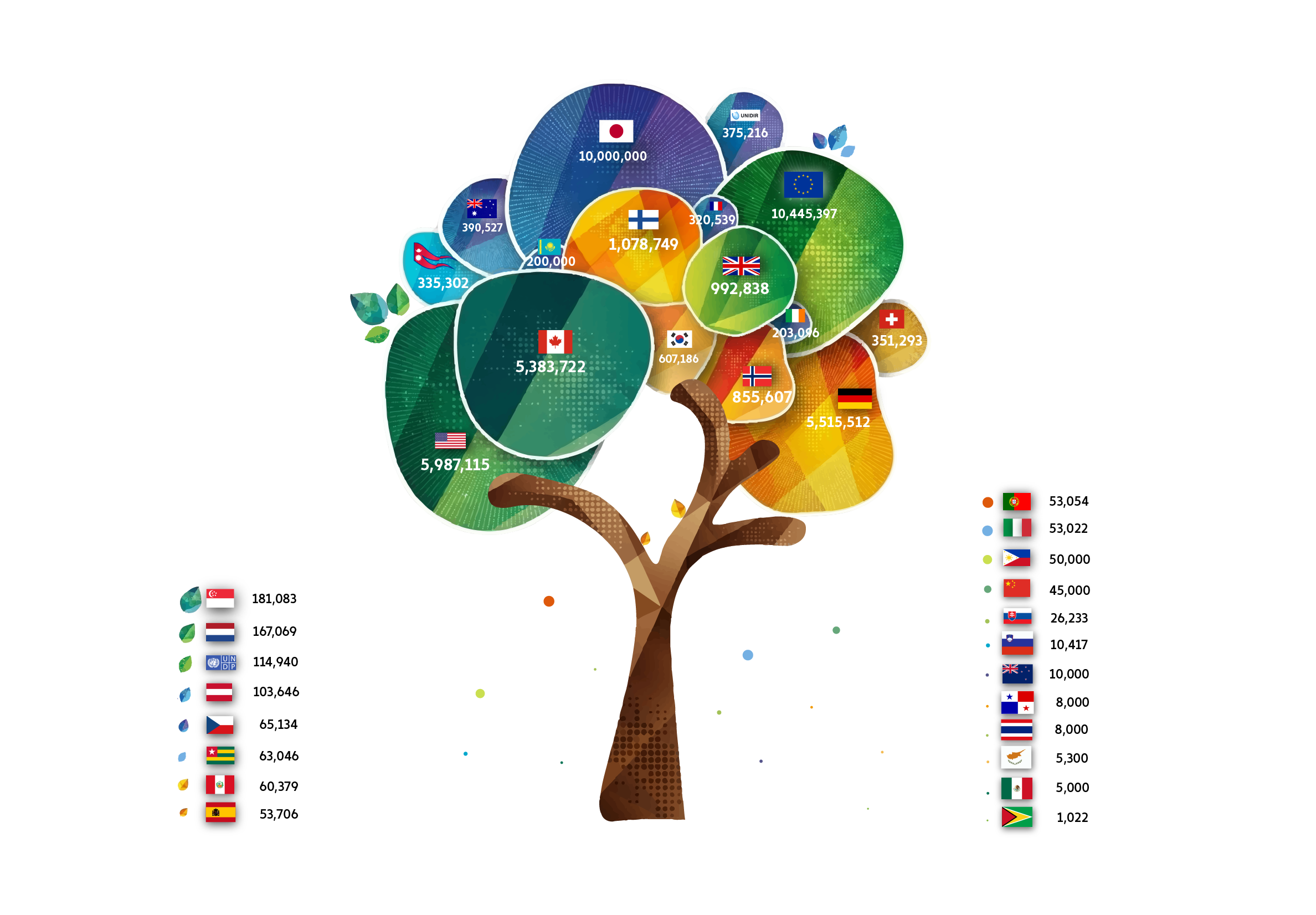
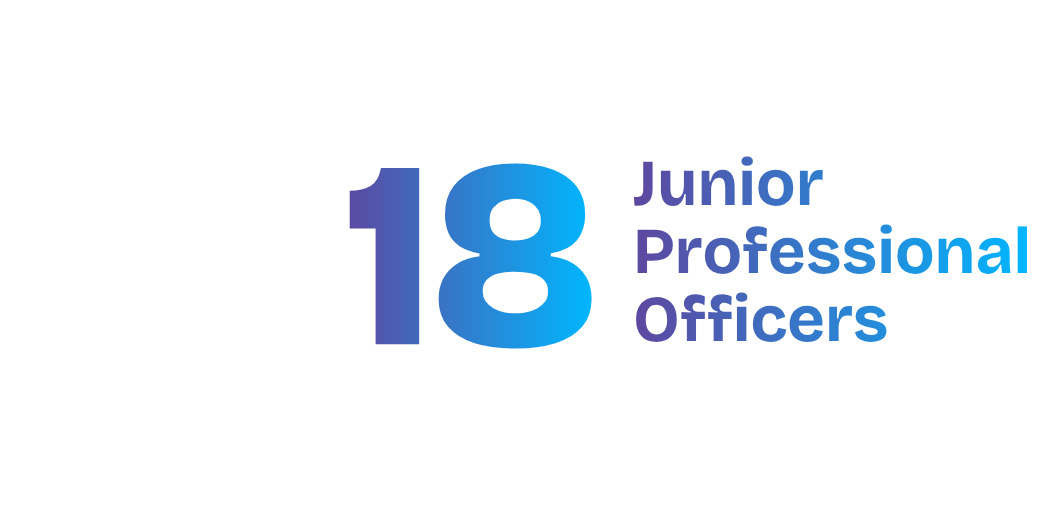
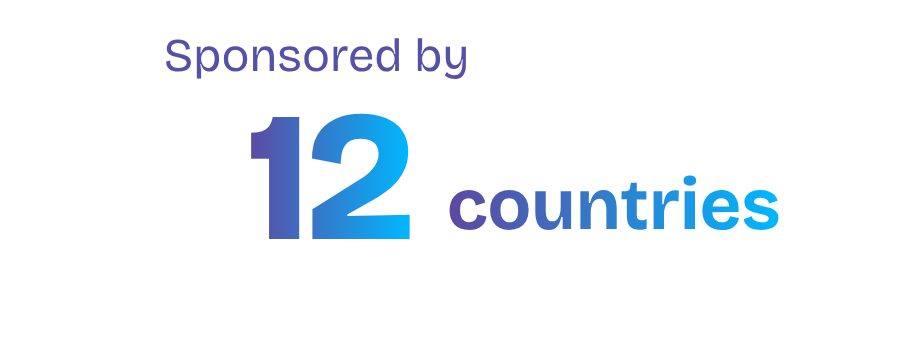
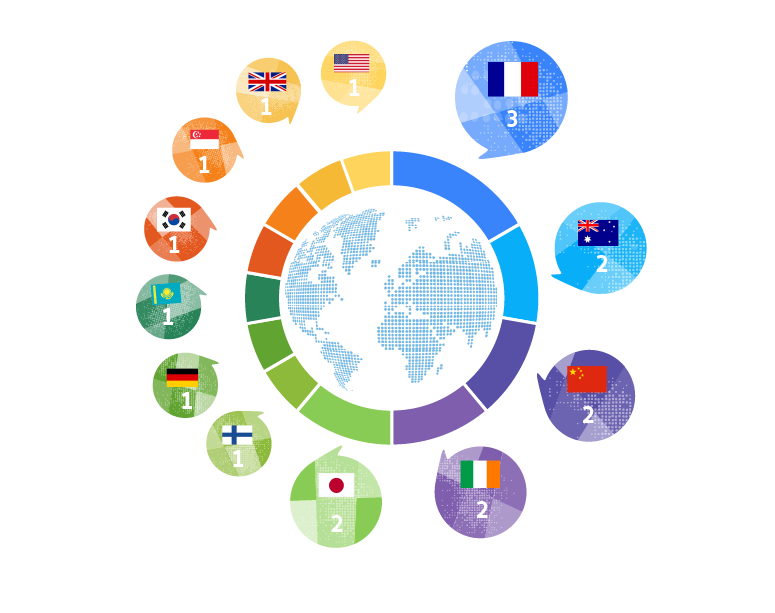
Nationally funded Junior Professional Officers, 2025